
Island Peak Climbing with Everest Base Camp Trek
| Trip code | |
| Package name | Island Peak Climbing with Everest Base Camp Trek |
| Duration | 21 |
| Max. elevation | 6189 m |
| Level | challenging |
| Transportation | Domestic flight and all ground transportation as per itinerary |
| Accomodation | |
| Starts at | Kathmandu |
| Ends at | Kathmandu |
| Trip route | <p>Kathmandu-Lukla-Phakding-Namche-Khumjung_Tengboche-Pangboche-Dingboche-Lobuche-Gorakshep-Everest base camp-Kala Patthar- Lobuche-Khongma La pass- Chhukung-Island Peak Base camp-Island Peak Summit-Chhukung-Pangboche-Namche-Lukla-kathmandu</p> |
Highlights
- Summit Island Peak (6,189 m) - Conquer the challenging ascent of Island Peak and enjoy breathtaking views of Everest, Lhotse, and Nuptse.
- Reach Everest Base Camp (5,364 m) - Trek to the legendary base camp of the world's highest peak, surrounded by the towering Himalayan giants.
- Hike to Kala Patthar (5,640 m) - Experience the stunning sunrise views over Everest and panoramic vistas of the Khumbu region.
- Experience authentic Sherpa culture - Immerse yourself in the rich Sherpa culture, visiting traditional villages and ancient monasteries along the trekking route.
- Explore Diverse Himalayan landscapes - Trek through diverse landscapes including rhododendron forests, glacial moraines, and high-altitude terrain, experiencing the beauty of the Himalayas.
- Combine Trekking and Mountaineering adventure - Experience both trekking and mountaineering in one journey, perfect for adventurers seeking a comprehensive Himalayan expedition.
Overview
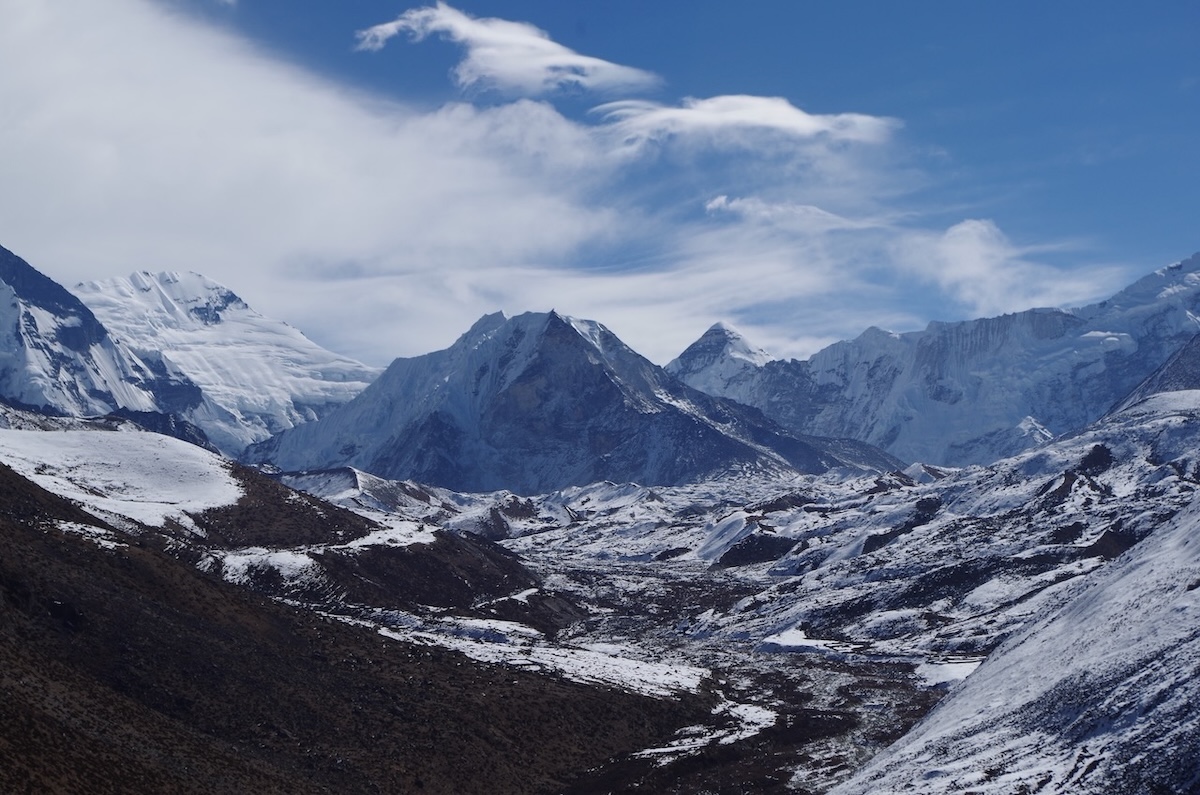
Island Peak Climbing with Everest Base Camp Trek is one of the most popular 6,189 meter peak climbing adventures in Nepal. This 21-day Everest region expedition combines the legendary Everest Base Camp Trek with the technical yet achievable ascent of Island Peak (6,189 m), also known as Imja Tse in the Everest region.
The adventure begins in Kathmandu, a vibrant city rich in history and cultural diversity, where trekkers explore UNESCO World Heritage sites that showcase Nepal's ancient architecture and religious traditions before flying from Manthali to Lukla, one of the world's most daring airports. After arriving in Lukla, the trek continues through small Sherpa villages, suspension bridges, rhododendron forests and scenic trails en route to Namche Bazaar, the bustling heart of the Sherpa culture.
Continuing onward, the trail unfolds to Tengboche, where trekkers visit the Tengboche monastery amidst panoramic views of Mt. Everest (8,848.86 m), Lhotse (8,516m), and Ama Dablam (6,812 m). The journey progresses to Dingboche, a gateway to higher altitudes, where acclimatization is crucial before advancing towards Island Peak Base Camp (4,970 m).
The ascent of Island Peak (6,189 m) demands physical endurance and technical skill, rewarding climbers with breathtaking views from the summit. Panoramic views include Lhotse, Ama Dablam, Nuptse, and the surrounding peaks, offering a profound sense of accomplishment and unforgettable Himalayan beauty. Descending back to lower altitudes through Pangboche and Namche Bazaar, trekkers conclude their expedition in Lukla before returning to Kathmandu.
Higher Path Treks and Expedition ensures a safe and memorable Island peak climbing experience with experienced Sherpa guides, well planned itineraries, quality accommodation, reliable logistics, and personalized support throughout the journey. Our team focuses on safety, proper acclimatization and comfortable trekking to help you enjoy every moment of this Himalayan adventure.
Beyond the summit of Island Peak, this expedition provide an opportunity to experience the warm Sherpa hospitality, tradition, lifestyle and culture, enjoying homestays and local cuisine along the route. This cultural exchange enriches the journey, fostering deep connections and understanding between trekkers and the local community.
Whether you're an experienced trekker or on your first Himalayan adventure, This adventure offers the perfect combination of trekking, cultural, and mountaineering in Nepal. Higher Path Treks invites you to join Island Peak Climbing Nepal with Everest Base Camp Trek. Discover the beauty of Nepal's Everest region, challenge yourself on the iconic Island Peak, and create memories that will last a lifetime.
Trip Facts
- Trip name: Island Peak Climbing with Everest Base Camp Trek
- Duration: 21 days
- Destination: Everest (Khumbu) Region, Nepal
- Maximum altitude: 6,189 m (Island Peak)
- Trip Grade: Challenging
- Accommodation: Teahouse and tent during the trek and climbing
- Meals: Breakfast, lunch and dinner during the trek and climbing
- Best Time: Spring (March-May) and Autumn (September-November)
- Transportation: Domestic flight, private vehicle
- Start/End Point: Kathmandu
Who Is This Trip For?
The Island Peak Climbing with the Everest Base Camp Trek is an ideal for adventurous travelers with good physical fitness, who want to combine the classic Everest Base Camp Trek with rewarding a Himalaya climbing experience. It is perfect for experienced trekkers, aspiring mountaineers and anyone looking to take on their first trekking peak in Nepal. While prior climbing experience is helpful, it is not required, as our experienced Sherpa guides provide basic climbing training before the summit attempt.
Island Peak Climbing Difficulty level
The Island Peak Climbing with the Everest Base Camp Trek is a challenging adventure that requires good physical fitness and previous high-altitude trekking experience. The summit climb involves using basic mountaineering equipment such as crampons, harness, fixed ropes and ice axe. Our experienced climbing Sherpa guides provide pre-climbing training to ensure you are well prepared for the summit attempt.
Altitude & Acclimatization
The Island Peak Climbing expedition reaches a maximum altitude of 6,189 m (20,305 ft) at the summit of Island peak. The highest sleeping altitude is Island Peak Base Camp 4,970 m (16,306 ft). to help your body adapt to the high altitude, the itinerary includes acclimatization days at Namche and Dingboche, reducing the risk of altitude sickness and increasing the chances of a successful summit.
Best Time To Climb Island Peak
The best time to climb Island peak is during autumn (September-November) and during Spring (March-May). These seasons offer stable weather, clear mountain views and favorable climbing conditions. Spring is popular for its mild temperatures and blooming rhododendron forests, while autumn provides crisp skies, excellent visibility and comfortable trekking conditions after the monsoon. Although Island peak can be climbed in winter, colder temperatures and snowfall make the climbing more challenging. The monsoon season is generally not recommended due to heavy rainfall and poor visibility.
Permits For Island Peak Climbing
Higher Path Treks & Expedition arranges all required permits before the trek begins. The required permits include:
- Sagarmatha National Park Entry Permit.
- Khumbu Pasang Lhamu Rural Municipality (Local Government) Permit.
- Island Peak Climbing Permit, issued by Nepal Mountaineering Association.
Accommodation and Meal
During the Island Peak Climbing and Everest Base Camp Trek comfortable teahouses is provided throughout the trek and tents at Island Peak Base Camp. Teahouses offer simple and cozy rooms with basic shared facilities.
Breakfast, lunch and dinner are provided during the trek and climbing period. Meals include a variety of local and international dishes to provide the energy needed for trekking and climbing. Vegetarian meals are fresh, nutritious and easy to digest at higher altitude.
Why choose Higher Path Treks & Expedition?
Choosing the right trekking company is essential for a safe and successful Island Peak climbing with Everest Base Camp adventure. Higher Path Treks provides a professionally managed Himalayan experience with experienced local Sherpa guides, reliable logistics, and personalized support throughout the expedition.
Licensed experienced climbing Sherpa & guides: Our climbing Sherpas and guides have extensive knowledge of the Everest region and high altitude mountaineering. their expertise helps climbers navigate challenging terrain, manage altitude concerns, and maximize the chances of a successful Island Peak summit.
Well Planned Itinerary: Our itinerary is designed to suit different experience levels and travel preferences while maintaining proper acclimatization for high altitude climbing
Transparent pricing: Our pricing is transparent, we provide clear information about our included service, permit, accommodation, meal without hidden charges.
Safety: Safety is our top priority, with careful well acclimatization planning, regular health monitoring, and emergency support arrangements when needed.
Customer focused service: we focus on creating a personalized and stress-free adventure for every traveler. From airport assistance and permit arrangements to accommodation, meals and climbing support we handle every detail so you can focus on enjoying your Himalayan journey.
Conclusion
Island Peak Climbing with Everest Base Camp Trek is an unforgettable Himalayan adventure combining Everest Base Camp Trekking, Sherpa culture, and the excitement of summiting a 6189 m peak. With experienced guides, proper acclimatization and reliable support from Higher Path Treks and Expedition, this adventure offers a safe and rewarding experience for adventure seekers looking to explore the Everest region.
Book Your Island Peak Climbing with Everest Base Camp Trek Today
Ready to experience the thrill of Island Peak Climbing with Everest Base Camp Trek? Contact Higher Path Treks and Expedition today. Let us help you create an unforgettable journey to the Everest region.
Helpful Blogs About Trekking in the Everest Region:
Uncover the best blogs about trekking in the Everest region, featuring expert advice, detailed itineraries, personal experiences, and essential tips for adventurers looking to explore the Himalayas.
Photography Guide: Capturing the Himalayas Without Expensive Gear
Everest Luxury Trek: An Unforgettable Himalayan Experience
Nepal Peak Climbing 2026: Routes, Tips, and Top Summits
Solo Trekking to Everest Base Camp: Is It Possible?
Top 10 Highlights of the Everest Base Camp Trek
Successfully Trekking to Everest Base Camp and Kala Patthar
Why Famous Trekkers Choose Everest Base Camp?
Autumn Season to Everest Base Camp Trek
The Best Hiking Adventures: Famous Peak Climbs in 2025
Top Himalayan Peaks for Beginner Climbers: A Comprehensive Guide
Everest Three Peaks: A Beginner’s Guide to the Ultimate Himalayan Challenge
Is Peak Climbing in Nepal Easy for Beginners?
Must-Know Facts About Everest Base Camp Trekking
Why Gokyo Ri is a Must-Visit for Everest Trek Lovers
The Roof of the World: Peak Climbing Journeys through Nepal’s High Country
What to Expect on an Island Peak Climbing Expedition
Mera Peak Climbing Guide for Beginners: Tips, Difficulty & Preparation
Four Peaks, One Journey: Mera, Island, Lobuche & Amphu Lapcha Expedition
Top Best Expedition Packages in Nepal 2025
Which is Easier: Mera Peak or Island Peak?
Why Choose Island Peak Climbing with Everest Base Camp Trek for Beginners
Best Trekking Peaks in Everest Region for Beginners
Trip Preparation
Trip Itinerary
Day 1 : Arrival in Kathmandu (1,350 m)
Upon your arrival at Tribhuvan International Airport in Kathmandu, you will be greeted by our representative who will transfer you to your hotel. After settling in and freshening up, you can explore the bustling streets of Kathmandu, filled with shops, restaurants, and cultural sites. Depending on your arrival time, you may also have a welcome briefing in the evening, where you will meet your expedition leader and fellow climbers. Overnight in Kathmandu.
Day 2 : Afternoon Drive to Manthali from Kathmandu
On Day 2 of your Island Peak Climbing and Everest Base Camp trek, you will spend the afternoon driving from Kathmandu to Manthali. After a leisurely breakfast and final preparations in Kathmandu, you’ll depart for Manthali around midday. The drive takes you through scenic landscapes, transitioning from the bustling city of Kathmandu to the more tranquil, rural surroundings of the Ramechhap District. The journey typically spans several hours, offering picturesque views of terraced fields, quaint villages, and lush hillsides along the way. As you approach Manthali, you’ll notice the change in terrain and the less frenetic pace compared to Kathmandu. Arriving in Manthali by late afternoon, you’ll check into your accommodation, unwind from the drive, and prepare for the next leg of your adventure.
Day 3 : Fly to Lukla, then trek to Phakding (2,600 m)
Early in the morning, you will board a scenic flight from Manthali to Lukla, a gateway to the Khumbu region. The flight itself is an adventure as you fly amidst breathtaking views of the Himalayas before landing at one of the most thrilling airstrips in the world. Upon landing in Lukla, you will meet the rest of your trekking crew and begin your trek to Phakding. The trail descends through lush forests and passes through several Sherpa villages. Along the way, you will have your first glimpse of beautiful prayer wheels, prayer flags, and scenic landscapes. Overnight in Phakding.
Day 4 : Phakding to Namche Bazaar (3,440 m)
Today's trek takes you along the Dudh Kosi River, crossing it several times via suspension bridges. The trail gradually ascends through pine forests, offering views of Thamserku peak (6,608m). You will enter Sagarmatha National Park, a UNESCO World Heritage site, before reaching Namche Bazaar. Namche Bazaar is a lively Sherpa town and the commercial hub of the Khumbu region. Enjoy stunning views of Everest (8,848.86 m) and neighboring peaks from Namche. Overnight in Namche Bazaar.
Day 5 : Namche Bazaar: Acclimatization Day (3,440 m)
Acclimatization is crucial for your body to adjust to the high altitude. Today, you will take a rest day in Namche Bazaar. You can hike to Everest View Point for panoramic views of Everest, Lhotse, Ama Dablam, and other peaks. Alternatively, explore the local market, visit the Sherpa Culture Museum, or simply relax and acclimatize. Overnight in Namche Bazaar.
Day 6 : Namche Bazaar to Khumjung (3,790 m)
Today, the journey continues with a gentle but meaningful ascent from Namche Bazaar toward Khumjung via Hotel Everest View, one of the most culturally rich Sherpa settlements in the Khumbu region. The trail first leads through quiet ridgelines above Namche, gradually opening into wide Himalayan panoramas where peaks like Thamserku and Khangteka dominate the skyline. As you move away from the busier trekking routes, the atmosphere becomes noticeably calmer, offering a deeper sense of connection with the mountains. Passing through juniper and pine forests, you may encounter grazing yaks and traditional stone-built huts that reflect centuries-old mountain life. Khumjung village itself sits beneath the sacred peak of Khumbila and is known for its monastery where you can see Yeti skull and strong community traditions. Overnight stay here allows you to experience authentic Sherpa hospitality in a peaceful alpine setting, arranged smoothly by Higher Path Treks & Expeditions, ensuring comfort and cultural immersion at high altitude. Overnight stay in Kumjung.
Day 7 : Khumjung to Pangboche (3,930 m)
Today’s trek begins with a gradual descent through rhododendron and juniper forests, passing the village of Phunki Tenga, where we cross a suspension bridge over the Dudh Koshi River. From here, a steady uphill climb leads us to Tengboche, home to the famous Tengboche Monastery—the spiritual heart of the Khumbu region. After exploring the monastery and enjoying panoramic views of Everest, Ama Dablam, and Nuptse, we continue towards Pangboche. The trail meanders through alpine forests and open meadows dotted with Mani stones and Chortens, symbolizing deep Buddhist faith. Pangboche, one of the oldest Sherpa villages, offers a serene atmosphere and stunning views of Ama Dablam towering above. Overnight stay in Pangboche.
Day 8 : Pangboche to Dingboche (4,300 m)
After breakfast, we set off on a gradual trek through arid landscapes as the vegetation begins to thin with altitude gain. The trail passes through Shomare, a small settlement surrounded by rugged terrain and mountain vistas. As we move higher, the air becomes cooler and crisper, and the scenery transforms into a vast expanse of rocky hills and snow-dusted peaks. Dingboche, known as the “Summer Valley,” lies in a wide valley sheltered by the towering faces of Lhotse and Ama Dablam. Upon arrival, we can take a short acclimatization walk to nearby ridges offering panoramic views of Island Peak and Makalu in the distance. This day marks a significant step in altitude preparation for the upcoming climb. Overnight stay in Dingboche.
Day 9 : Acclimatizatin day
The acclimatization hike today is crucial, even though every fiber of your being might want to just stay in your sleeping bag. The standard route climbs to Nagarjun Hill, gaining about 800 meters to reach 5,100 meters. Sounds brutal, right? But here's the thing: you'll hike slowly, stop frequently, and by the top, you'll feel surprisingly okay. From Nagarjun Hill, the views are phenomenal—you can see Mt.Makalu (the world's fifth-highest peak) in the distance, along with close-up views of Lhotse's massive south face. Some groups hike toward Chhukung instead, which offers different perspectives but similar altitude gains. Either way, you'll descend back to Dingboche for lunch, spend the afternoon relaxing, and notice that breathing feels a bit easier than yesterday. That's acclimatization working. Your body is adapting, producing more red blood cells, becoming a high-altitude machine.
Day 10 : Dingboche to Lobuche (4,950 m)
You’ll continue your trek from Dingboche to Lobuche, climbing to an elevation of 4,950 meters. After an early start, you’ll leave Dingboche and ascend a rugged trail that offers expansive views of the Khumbu Glacier and surrounding peaks. The path meanders through picturesque landscapes, gradually increasing in altitude. By late afternoon, you’ll reach Lobuche, where you’ll settle into a local teahouse for the night. The higher altitude of Lobuche serves as an important acclimatization stop, preparing you for the challenges ahead on your trek and climb.
Day 11 : Lobuche To Everest Base Camp (5,364 m Via Gorakshep (5165 m)
Today is a challenging yet rewarding day as you trek to Gorak Shep, the last settlement before Everest Base Camp. The trail passes through rocky moraines and offers glimpses of the Khumbu Glacier. After a short break in Gorak Shep, you will continue your trek to Everest Base Camp. Walk alongside the Khumbu Icefall and enjoy the surreal atmosphere of the Everest Base Camp, where climbers prepare for their summit attempts. After exploring and taking pictures, return to Gorak Shep for overnight stay.
Day 12 : Hike to kalapatthar (5640 m) then back to Gorakshep trek to Lobuche
Early morning, ascend to Kala Patthar for sunrise views over Everest, Lhotse, Nuptse, and Pumori. Kala Patthar (5,640m) offers the best viewpoint for close-up views of Everest and surrounding peaks. After soaking in the views and taking pictures, descend back to Gorak Shep and continue your trek to Lobuche. Overnight in Lobuche.
Day 13 : Lobuche to Chhukung (4730 m) via Khongma La pass
Leaving Lobuche, you will ascend towards Kongma La Pass (5,535m), the highest pass on our trekking route. The ascent to the pass is steep and challenging, but you will be rewarded with panoramic views of Makalu (8,485m), Ama Dablam, and other peaks. Descend from the pass to Chhukung, a small village with stunning views of Island Peak. Overnight in Chhukung.
Day 14 : Rest and pre-training day
Today is dedicated to final preparations and training for the Island Peak summit. Your climbing guides will provide a detailed briefing on climbing techniques, safety protocols, and the route to the summit. Practice using climbing equipment and ropes under their guidance to ensure everyone is comfortable with the procedures. Rest and hydrate for the challenging summit day ahead. Overnight at Chhukung.
Day 15 : Chhukung to Island Peak Base Camp (5,200 m)
Today, trek to Island Peak Base Camp, ascending through moraines and past glacial lakes. The trail offers impressive views of Lhotse and Ama Dablam. Upon reaching Island Peak Base Camp, our climbing guides will conduct pre-climb training, including the use of climbing gear such as ropes, harnesses, and ice axes. Prepare for the summit push. Overnight at Island Peak Base Camp.
Day 16 : Island Peak Base Camp to Island Peak Summit (6,189 m) back to Chhukung
Today is the highlight of your trek as you attempt the summit of Island Peak (6,189m). Begin early in the morning to take advantage of stable weather conditions and good visibility. The climb involves steep sections, using fixed ropes for safety. As you ascend, enjoy breathtaking views of Everest, Lhotse, Makalu, and Baruntse. Reach the summit and celebrate your achievement with your team. After taking in the views and capturing memorable photos, descend carefully back to Chhukung. Overnight stay in Chhukung.
Day 17 : Chhukung to Pangboche
After brerakfast, descend back to Pangboche. The descent offers stunning views of the Khumbu Valley and lush landscapes. Enjoy the tranquility of Pangboche village, surrounded by ancient monasteries and prayer flags. Overnight in Pangboche.
Day 18 : Pangboche to Namche
From Pangboche, descend through forests of pine and rhododendron, passing Tengboche Monastery before reaching Namche Bazaar. The trail descends steeply to the Dudh Koshi River and ascends back to Namche Bazaar. Enjoy the bustling market town and relax in one of the local lodges. Overnight in Namche Bazaar.
Day 19 : Namche to Lukla
Today marks the final leg of your trek as you descend from Namche Bazaar to Lukla. The trail descends steeply through lush forests and crosses several suspension bridges over the Dudh Koshi River. As you approach Lukla, reflect on your journey through the Khumbu region and celebrate your successful expedition with your team. Overnight in Lukla.
Day 20 : Fly to Manthali and drive to Kathmandu
Early morning, board a scenic flight back to Manthali and drive to Kathmandu for 5-6 hours, enjoying the last views of the Himalayan peaks. Upon arrival in Kathmandu, you will be transferred to your hotel. In the evening, celebrate your successful expedition with a farewell dinner hosted by the expedition team. Overnight in Kathmandu.
Day 21 : Final Departure
On your final day with Higher Path Treks & Expeditions, your unforgettable Island Peak Climbing with Everest Base Camp Trek officially concludes. Depending on your flight schedule, you may have time for last-minute shopping or a short cultural visit around Kathmandu before departure. The team ensures a smooth airport transfer from your hotel at 1,400m / 4,593ft, assisting you with check-in and farewell arrangements. As you leave Nepal, you carry more than just memories; you take home the experience of standing at the base of Everest, crossing high mountain passes, and pushing beyond personal limits. The journey ends, but the sense of achievement and connection with the Himalayas remains with you long after you return home.
Inclusions
What is included?
- Airport transportation (pick-up and drop-off)
- 2 nights accommodation in a 4-star hotel in Kathmandu with breakfast
- Domestic flights (Manthali-Lukla-Manthali)
- Tea house accommodations during the trek
- All meals (breakfast, lunch, dinner) during the trek and climbing
- All ground transportation as per the itinerary in a comfortable private vehicle
- English-speaking trained and experienced trekking guide and Sherpa climber
- Porter service (1 porter for 2 clients)
- Staff costs including salary, insurance
- All necessary paperwork and trekking permits
- All government and local taxes
- Extra night accommodation in Kathmandu or on the trek / climbing for any reason (Early arrival or delay, Early arrival from trek due to any reason) money is not refund
What isn't included?
- Personal trekking equipment (e.g., sleeping bag, trekking poles)
- Personal expenses such as cold drinks and alcohol during the trek
- Hot showers and charging facilities for electronic devices during the trek
- Internet usage fees and battery charging costs during the trek
- Meals during your stay in Kathmandu (apart from breakfasts included in the hotel)
- Tips for guide, Sherpa climber and porter
- Any additional expenses not mentioned in the "Included" section