
Annapurna Circuit Trek
| Trip code | |
| Package name | Annapurna Circuit Trek |
| Duration | 14 |
| Max. elevation | 5416 m |
| Level | difficult |
| Transportation | All ground transportation as per itinerary |
| Accomodation | |
| Starts at | Kathmandu |
| Ends at | Kathmandu |
| Trip route | <p>Kathmandu-Jagat-Dharapani-Chame-Pisang-Manang-Yak Kharka-Thorang Phedi-Thorang La Pass-Muktinath-Pokhara-Kathmandu</p> |
Highlights
- Traverse through lush subtropical forests, terraced fields, deep valleys, and high alpine meadows, offering a variety of scenic landscapes.
- Cross Thorong La Pass (5,416 m), one of the highest trekking passes in the world, with breathtaking panoramic views of the Annapurna and Dhaulagiri mountain ranges.
- Encounter diverse ethnic communities including Gurung, Thakali, and Manang, each with their own distinct traditions, languages, and architecture.
- Experience close-up views of the Annapurna massif, including Annapurna II, III, IV, Gangapurna, and Tilicho Peak, among others.
- Visit the sacred temple of Muktinath, revered by both Hindus and Buddhists, with 108 water spouts believed to cleanse sins.
- Enjoy the warm hospitality of local tea houses and lodges along the route, offering a cozy and welcoming atmosphere.
- Trek through the Annapurna Conservation Area, home to diverse flora and fauna, including rare wildlife like the elusive snow leopard and blue sheep.
- Experience a scenic drive through the Marsyangdi and Kali Gandaki river valleys, passing through picturesque villages like Jagat, Chame, and Pisang.
Overview
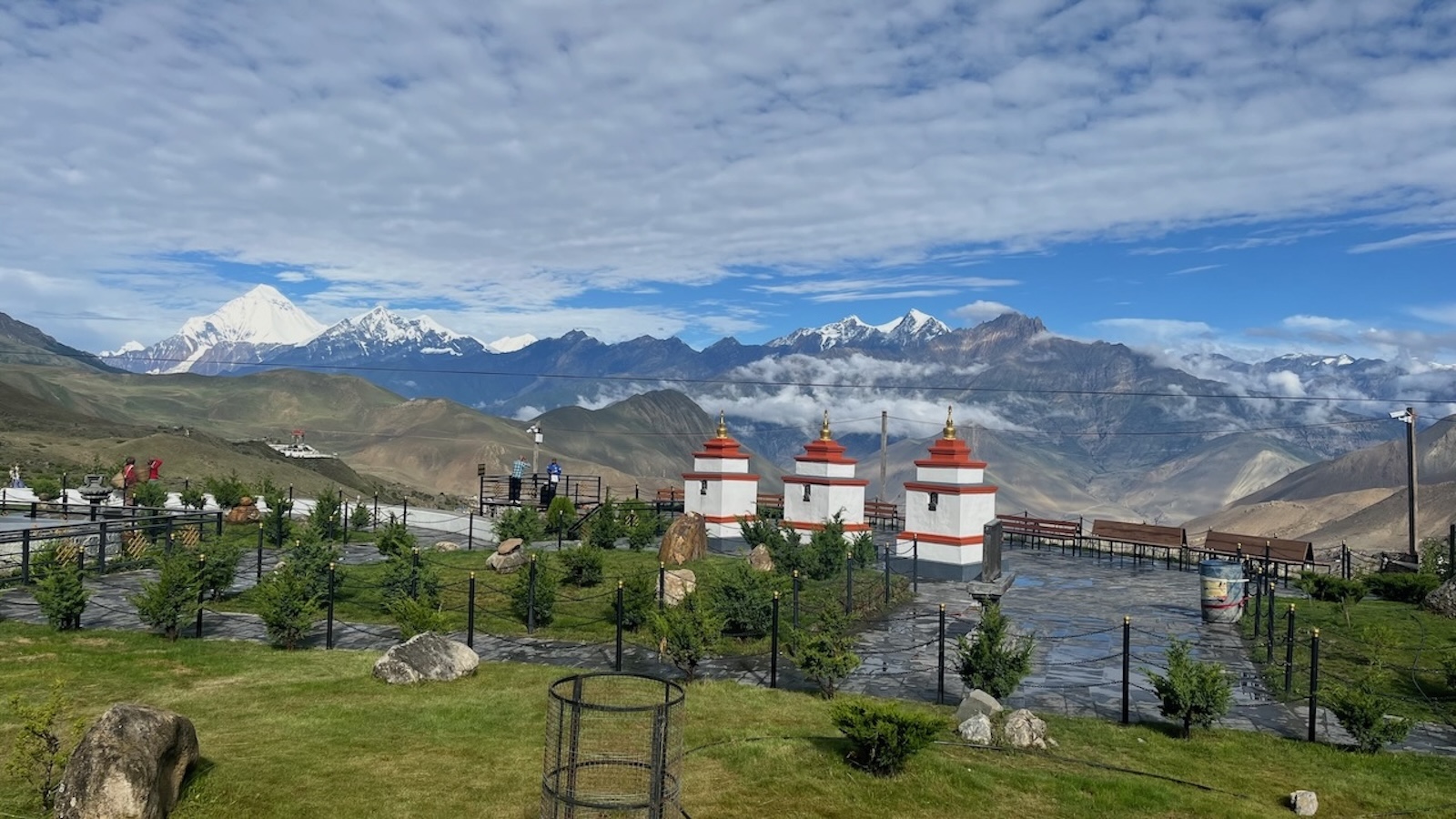
The Annapurna Circuit isn't just a trek, it's a journey that completely circles one of the world's most spectacular mountain massifs. Over two to three weeks, you'll walk from subtropical valleys at 800 meters to the Thorong La Pass at 5,416 meters, crossing from one side of the Annapurna range to the other through landscapes that change so dramatically you'll wonder if you're still in the same country.
This is the trek that put Nepal on the adventure travel map back in the 1970s. While other routes have gained popularity, the Annapurna Circuit remains special because of its sheer diversity. You start in rice paddies and end in high-altitude desert. You walk through Hindu villages in the south and Tibetan Buddhist communities in the north. You experience monsoon-fed forests and rain shadow aridity in a single journey.
But here's what most guidebooks don't tell you—the classic Annapurna Circuit has changed significantly in recent years. Roads now reach many sections that were once foot-traffic only. The experience has evolved, and knowing how to navigate these changes makes the difference between a good trek and an exceptional one.
That's where Higher Path Treks comes in. We've been guiding the Annapurna Circuit since before the roads arrived, and we know how to craft an itinerary that maximizes the classic circuit experience while adapting to modern realities. We'll get you off those dusty roads and onto the trails that still capture the magic that made this trek legendary.
Trip Facts of Annapurna Circuit Trek
- Duration: 14 Days
- Region: Annapurna, Nepal
- Best Time: Spring (March to May) and Autumn (September to November)
- Accommodation: Comfortable teahouses during the trek
- Meals: All meals (breakfast, lunch and dinner) during the trek
- Trip Grade: Moderate to challenging
- Max Altitude: 5,416 m (Thorang La Pass)
- Start/End Point: Kathmandu
Best Time for Annapurna Circuit Trek
Timing significantly impacts your circuit experience.
Autumn (September to November) - Prime Season
Autumn is peak season for excellent reasons. After monsoon clears in September, you get stable weather, clear skies, and comfortable temperatures.
The post-monsoon clarity makes mountain views spectacular. The air has been washed clean by months of rain, creating visibility that makes distant peaks seem impossibly close.
Spring (March to May) - Excellent
Spring rivals autumn for conditions. March through May offers stable weather and the famous rhododendron blooms in lower sections. Lower elevation rhododendron forests bloom spectacularly in spring—hillsides covered in red, pink, and white flowers create stunning landscapes.
Monsoon (June to August) - Challenging but Possible
Monsoon makes the circuit difficult but not impossible. The western side (Mustang region) is in the rain shadow and remains relatively dry. The eastern approach and southern sections receive heavy rain.
Some adventurous trekkers still complete the circuit during monsoon, accepting reduced visibility and wet conditions for extreme solitude. Leeches are common in lower forests. Landslides can block trails. Mountain views hide behind clouds most days.
Winter (December to February) - Expert Level
Winter circuit trekking is possible but demands serious preparation. Thorong La can be impassable due to heavy snow. Temperatures drop to -20°C or lower at high altitude. Some lodges close in upper sections.
That said, winter offers unique rewards: total solitude, pristine snow-covered landscapes, the clearest skies of the year. Just be prepared with proper winter gear, flexible schedule, and acceptance that reaching Thorong La might not be possible.
Permits for Annapurna Circuit Trek
For Annapurna Circuit Trek you need two different permits:
- Annapurna Conservation Area Permit
- TIMS Card
Higher Path Treks & Expedition arranges both permits for clients.
Difficulty Level and Preparation of Annapurna Circuit Trek
The Annapurna Circuit is challenging—longer and higher than treks like Annapurna Base Camp Trek. That's two to three weeks of consecutive trekking. Your body needs endurance beyond basic fitness.
You reach 5,416 m at Thorong La Pass. Extended time above 3,000 m means altitude sickness is a significant risk. Proper acclimatization is crucial—spend adequate time in Manang, ascend gradually, and recognize symptoms early.
Typically 5-8 hours per day. Pass day can be 8-10 hours. The walking itself isn't technical, just sustained effort at altitude. Well-maintained trails with some steep sections, thousands of stone steps, suspension bridges, and rocky paths. Not technical, but physically demanding.
Start training 2-3 months before. Focus on cardiovascular fitness (running, cycling, hiking), leg strength (stairs, lunges, squats), and hiking with a weighted pack on weekends. Previous multi-day trekking experience is highly recommended.
Food and Accommodation on the Annapurna Circuit Trek
During this trek accommodation is provided in comfortable teahouses or mountain lodges, on a twin-sharing basis. Rooms are simple and cozy.
Breakfast, lunch and dinner are provided during the trek. Every teahouse has their own food menu, while trekkers can choose their meals from menu. They prepare local and some international dishes. Vegetarian meals are highly recommended, which are prepared freshly, nutritious and easy to digest. Meat is transported over long distances, so it may not be always fresh at higher altitude.
Health and Safety on the Circuit
Altitude Sickness Prevention
This is the primary health concern. Acute Mountain Sickness (AMS) can affect anyone regardless of fitness.
Prevention strategies:
- Follow the acclimatization schedule (especially 2-3 days in Manang)
- Ascend gradually above 3,000m (gain no more than 500m sleeping altitude per day)
- Stay hydrated (3-4 liters daily minimum)
- Avoid alcohol above 3,000m
- Recognize symptoms early (headache, nausea, dizziness, fatigue)
Treatment: If symptoms are mild, rest at current altitude. If symptoms worsen or don't improve with rest, descend immediately. Descent is the only reliable cure for serious altitude problems.
Your guide monitors everyone daily and knows when symptoms indicate danger. Trust their judgment—they've seen altitude sickness countless times.
Why Trek with Higher Path Treks?
The Annapurna Circuit is complex with route variations, accommodation choices, and road vs. trail decisions. Having an experienced team makes a significant difference.
Expert Route Planning
We've guided the circuit countless times and know every variation. We balance classic trekking sections with strategic vehicle use to maximize trail time while avoiding the worst road walking. Our itineraries follow proper acclimatization schedules, building in adequate time in Manang before attempting Thorong La.
Experienced Guides
Our circuit guides know this route intimately—every village, every shortcut, every viewpoint. More importantly, they understand altitude sickness, monitor trekkers carefully, and make conservative safety decisions. They're certified with wilderness first aid training and high-altitude rescue protocols.
Thorong La Pass Logistics
Pass day requires precise logistics—early starts, proper timing, weather monitoring, and backup plans. We've successfully guided hundreds of trekkers over Thorong La and know what it takes to get people safely across.
Accommodation Strategy
Not all circuit lodges are equal. We've identified the best options at each stop—lodges with cleaner rooms, better food, more reliable hot water, and hospitable owners. This matters when you're spending two to three weeks on trail.
Flexible Itineraries
Flexibility is built into our approach because mountains don't follow schedules and neither should safety decisions.
Cultural Connections
Our guides have relationships with communities along the circuit. They speak local languages, understand customs, and facilitate genuine cultural interactions. You're not just walking through villages—you're experiencing them through local eyes.
Sustainable Tourism
We employ local guides and porters, use locally-owned lodges, follow leave-no-trace principles, and support community development projects. When you trek with us, you're contributing to sustainable tourism that benefits mountain communities.
Communication
Cell coverage exists in major villages (Chame, Manang, Jomsom) but not throughout the circuit. Most of the trek is in areas without signal. Your guide carries satellite communication for emergencies, but don't expect constant connectivity.
Ready for the Complete Himalayan Journey?
The Annapurna Circuit Trek is more than crossing a high pass or walking around a mountain. It's experiencing every climate zone from tropical to arctic. It's witnessing cultural diversity from Hindu lowlands to Tibetan Buddhist highlands. It's testing your physical and mental limits at 5,400 meters. It's two to three weeks of simplicity—walking, eating, sleeping, repeat—that clears your mind as much as it challenges your body.
If you're ready for this level of adventure, Join with us today. Higher Path Treks and Expedition will handle the logistics, provide experienced guides, ensure your safety, and support you every step during the trek.
The trail around Annapurna is waiting. When you're ready, we'll take you there.
Top Blogs About Trekking in the Annapurna Region:
Uncover the best blogs about trekking in the Annapurna region, featuring expert advice, detailed itineraries, personal experiences, and essential tips for adventurers looking to explore the Himalayas.
Annapurna Base Camp Trek: A Short Journey to the Himalayas
Annapurna Circuit Trek with Tilicho Lake – A Complete Guide by Higher Path Treks & Expeditions
Top Tips for Climbing Pisang Peak on the Annapurna Circuit
Top Reasons to Trek Ghorepani Poon Hill
Top Reasons to Choose Tilicho Lake Trek with Thorong La Pass
Best Experience on the Short Mardi Himal Trek: A Journey to Remember
Top Reasons to Combine Pisang Peak Climbing with the Annapurna Circuit Trek
Comparing Chulu Far East Peak Climbing vs Chulu West Peak Climbing
The most picturesque village Ghandruk
Photography Guide: Capturing the Himalayas Without Expensive Gear
Nepal Peak Climbing 2026: Routes, Tips, and Top Summits
The Best Hiking Adventures: Famous Peak Climbs in 2025
Top Himalayan Peaks for Beginner Climbers: A Comprehensive Guide
Is Peak Climbing in Nepal Easy for Beginners?
Top Best Expedition Packages in Nepal 2025
Trip Preparation
Trip Itinerary
Day 1 : Arrival in Kathmandu (1,400 m / 4,593 ft)
Upon your arrival at Tribhuvan International Airport in Kathmandu (1,400 meters), you'll be warmly welcomed by our representative and transferred to your hotel. Depending on your arrival time, you can either rest at the hotel or explore the vibrant streets of Thamel, a bustling hub for tourists with shops, restaurants, and markets. In the evening, you'll meet your trekking guide and team members. Overnight stay at a hotel in Kathmandu.
Day 2 : Drive from Kathmandu to Jagat (1,300 m / 4,265 ft)
After an early breakfast, Scenic drive from Kathmandu to Jagat (1,300 meters), the starting point of your trek. The journey takes approximately 7-8 hours, passing through picturesque countryside, terraced fields, and traditional Nepalese villages. You'll traverse the winding roads alongside the Trishuli River, offering views of rural life and distant Himalayan peaks. Upon reaching Jagat, a small village on the banks of the Marshyangdi River, you'll check into your lodge and relax. Overnight stay at a lodge in Jagat.
Day 3 : Trek from Jagat to Dharapani (1,860 m / 6,102 ft)
Today's trek takes you from Jagat to Dharapani (1,860 meters), following the trail along the Marshyangdi River. The trek initially ascends through subtropical forests and terraced fields, passing through several small villages inhabited by Gurung and Tamang ethnic communities. You'll cross suspension bridges and enjoy views of waterfalls cascading down rocky cliffs. After approximately 6-7 hours of trekking, you'll arrive in Dharapani where you'll spend the night. Overnight stay at a lodge in Dharapani.
Day 4 : Trek from Dharapani to Chame (2,710 m / 8,891 ft)
Leaving Dharapani behind, today's trek continues towards Chame (2,710 meters), the administrative headquarters of the Manang District. The trail gradually ascends through pine forests, offering occasional views of Manaslu (8,156 meters) and other peaks in the distance. You'll pass through villages like Bagarchhap and Danaque, adorned with prayer flags and traditional architecture. After approximately 5-6 hours of trekking, you'll reach Chame where you can relax and enjoy the scenic views of Lamjung Himal (6,983 meters). Overnight stay at a lodge in Chame.
Day 5 : Trek from Chame to Pisang (3,200 m / 10,499 ft)
Today's trek takes you from Chame to Pisang (3,200 meters), following the Marshyangdi River valley. The trail ascends through dense forests of pine and oak, with occasional glimpses of Annapurna II (7,937 meters) and Pisang Peak (6,091 meters). You'll pass through settlements like Telekhu and Bratang, where you can interact with locals and learn about their way of life. After approximately 5-6 hours of trekking, you'll arrive in Lower Pisang, known for its apple orchards and traditional Tibetan-style houses. Overnight stay at a lodge in Pisang.
Day 6 : Trek from Pisang to Manang (3,540 m / 11,614 ft)
Continuing your journey, today's trek leads you to Manang (3,540 meters), a picturesque village nestled beneath the Annapurna range. The trail offers stunning views of the Himalayan peaks and passes through Upper Pisang, offering a chance to explore the local monasteries and interact with monks. As you ascend higher, you'll notice a change in vegetation and landscape, with barren hillsides and impressive rock formations. After approximately 5-6 hours of trekking, you'll reach Manang where you'll spend the next two nights. Overnight stay at a lodge in Manang.
Day 7 : Acclimatization Day in Manang (3,540 m / 11,614 ft)
Today is a rest day to acclimatize to the higher altitude and explore the unique culture of Manang. You have the option to take short hikes to nearby viewpoints like Gangapurna Lake or visit the Himalayan Rescue Association's clinic to learn about altitude sickness. Alternatively, you can explore the narrow alleys of Manang, visit local monasteries, or simply relax and enjoy the majestic views of Annapurna III (7,555 meters) and Gangapurna (7,454 meters). Overnight stay at a lodge in Manang.
Day 8 : Trek from Manang to Yak Kharka (4,050 m / 13,287 ft)
Leaving Manang behind, today's trek takes you to Yak Kharka (4,050 meters), a small settlement surrounded by grazing pastures for yaks and other livestock. The trail ascends gradually through alpine landscapes with sparse vegetation, offering breathtaking views of the Annapurna range. You'll cross streams and traverse rocky terrain, keeping an eye out for Himalayan wildlife such as blue sheep and Himalayan pheasants. After approximately 3-4 hours of trekking, you'll arrive in Yak Kharka where you'll spend the night. Overnight stay at a lodge in Yak Kharka.
Day 9 : Trek from Yak Kharka to Throng Phedi (4,450 m / 14,600 ft)
Continuing your ascent, today's trek takes you to Throng Phedi (4,450 meters), the base camp for Thorong La Pass. The trail climbs steadily through barren landscapes, with prayer flags fluttering in the wind and panoramic views of surrounding peaks. You'll pass High Camp and make your way to Throng Phedi, where you'll prepare for the challenging ascent to Thorong La Pass the following day. After approximately 3-4 hours of trekking, you'll reach Throng Phedi where you'll spend the night. Overnight stay at a lodge in Throng Phedi.
Day 10 : Trek from Throng Phedi to Muktinath (3,800 m / 12,467 ft) via Thorang La Pass (5,416 m /17,769 ft)
Today is a challenging yet rewarding day as you conquer Thorang La Pass (5,416 meters), the highest point of the trek. You'll start early in the morning to cross the pass before midday when weather conditions can deteriorate. The ascent is steep and demanding, but you'll be rewarded with unparalleled views of the Himalayan peaks including Dhaulagiri (8,167 meters) and Nilgiri (7,061 meters). After reaching the summit of Thorong La Pass, you'll descend to Muktinath (3,800 meters), a sacred pilgrimage site for Hindus and Buddhists. The descent takes approximately 4-6 hours, passing through arid landscapes and traditional stone houses adorned with prayer wheels. Overnight stay at a lodge in Muktinath.
Day 11 : Drive from Muktinath to Pokhara (800 m / 2,625 ft)
Leaving Muktinath behind, today after breakfast drive to Pokhara via Jomsom, Jomsom is a popular town in the Mustang region known for its apple orchards and strong winds in the afternoon. After approximately 6-7 hours of driving, you'll arrive in Pokhara, where you can relax and celebrate the completion of your trek. Overnight stay in Pokhara.
Day 12 : Drive Pokhara to Kathmandu
After breakfast, Scenic drive from Pokhara to Kathmandu, which takes approximately 5-6 hours. The journey follows the Prithvi Highway, winding through hills, rivers, and rural villages. Along the way, you can enjoy views of terraced fields, lush forests, and distant Himalayan peaks. Upon reaching Kathmandu, you'll check into your hotel and have the rest of the day free for leisure activities such as souvenir shopping or visiting additional cultural sites. In the evening, you'll attend a farewell dinner to celebrate the completion of your Annapurna Circuit trek. Overnight stay at a hotel in Kathmandu.
Day 13 : Free day in Kathmandu
After completing your trek, enjoy a free day in Kathmandu. You can explore Kathmandu city, shopping or relax. If your international flight is scheduled today, our team will transfer you to the airport for your departure.
Inclusions
What is included?
- Airport transportation (pick-up and drop-off)
- 2 nights ccommodation in a 4-star hotel in Kathmandu Pokhara with breakfast
- Muktinath–Pokhara–Kathmandu Bus Service
- Tea house accommodations during the trek
- All meals (breakfast, lunch, dinner) during the trek
- All ground transportation as per the itinerary in a comfortable private vehicle
- English-speaking trained and experienced trekking guide
- Porter service (1 porter for 2 clients)
- Staff costs including salary and insurance
- All necessary paperwork and trekking permit.
- All government and local taxes
What isn't included?
- Personal trekking equipment (e.g., sleeping bag, trekking poles)
- Personal expenses such as cold drinks and alcohol during the trek
- Hot showers and charging facilities for electronic devices during the trek
- Internet usage fees and battery charging costs during the trek
- Meals during your stay in Kathmandu (apart from breakfasts included in the hotel)
- Tips for guide and porter
- Any additional expenses not mentioned in the "Included" section