
Lobuche East Peak Climbing
| Trip code | |
| Package name | Lobuche East Peak Climbing |
| Duration | 18 |
| Max. elevation | 6119 m |
| Level | challenging |
| Transportation | Domestic flight and all ground transportation as per itinerary |
| Accomodation | |
| Starts at | Kathmandu |
| Ends at | Kathmandu |
| Trip route | <p>Kathmandu-Manthali-Lukla-Phakding-Namche-Khumjung-Pangboche-Dingboche-Lobuche-High Camp-Lobuche East Summit-Pheriche-Namche-Lukla-Kathmandu</p> |
Highlights
- Challenging Himalayan Trekking Peak (6,119 m) – Popular for experienced trekkers seeking a summit push.
- Spectacular Summit Views – Breathtaking panoramas of Everest, Lhotse, Nuptse, and Ama Dablam.
- Part of Classic Everest Base Camp Route – Access via Namche Bazaar, Dingboche, and Lobuche village.
- Less Crowded Than Island Peak – Offers a more remote and rugged climbing experience.
- Cultural & Natural Richness – Immersion in Sherpa culture and stunning Himalayan landscapes.
- Great Preparation for Higher Peaks – Excellent stepping stone for aspiring high-altitude climbers.
Overview
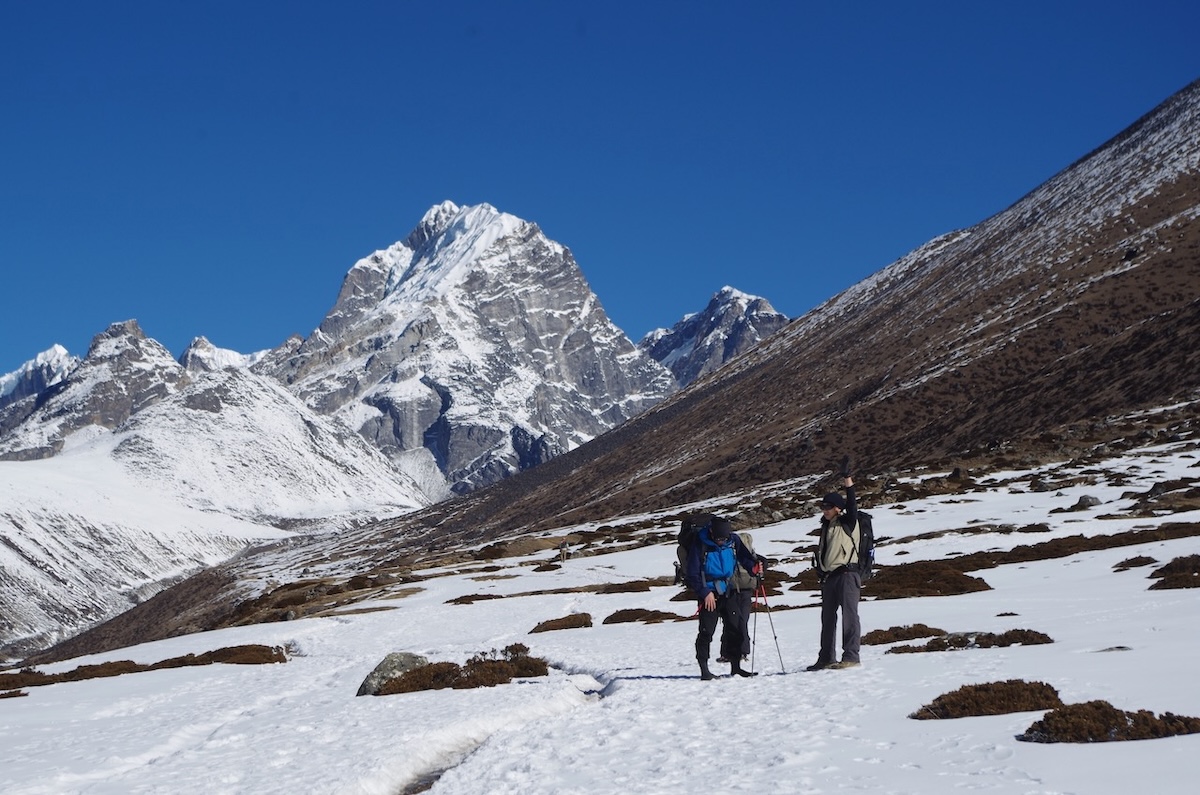
Lobuche Peak, standing tall at 6,119 meters (20,073 feet), is one of the most sought-after trekking peaks in Nepal’s Everest region. Known for its challenging yet accessible climb, Lobuche Peak Climbing offers adventurers a perfect blend of trekking and mountaineering, with breathtaking views of Mount Everest, Lhotse, and other Himalayan giants. Organized by Higher Path Treks & Expeditions, this expedition is designed for those who want to experience high-altitude climbing in one of the world’s most iconic mountain landscapes.
Located near the Everest Base Camp and Gokyo Valley trekking routes, Lobuche Peak presents a rewarding challenge that requires both physical fitness and technical skills, including ice and rock climbing. The climb also provides a unique chance to explore Sherpa culture, ancient monasteries, and dramatic glaciers, making it a comprehensive Himalayan experience.
Quick Facts of Lobuche East Peak Climbing
- Peak: Lobuche East (6119 m)
- Elevation: 6,119 m
- Destination: Everest region, Nepal
- Duration: 15-18 days
- Difficulty: Challenging
- Best Season: Spring (march-May) and Autumn (September-November)
- Accommodation: Teahouse + Tent
- Transportation: Flight (Manthali to Lukla, Lukla to Manthali) and private vehicle
- Group size: 1-12 people
- Start/End Point: Kathmandu
Why choose Lobuche East Peak Climbing?
Lobuche East Peak climbing is the perfect adventure for climbers who want to experience the thrill of summiting Lobuche east (6119 m). With experienced Sherpa climbing Guides, essential mountaineering training and stunning Himalayan scenery this expedition is an ideal choice for adventurers for seeking the achievement of climbing a 6,119 meters peak in Nepal.
Is This Trip Right for You?
Lobuche East peak climbing is ideal for adventurous trekkers who have good physical fitness and a strong desire to experience Himalayan peak climbing. The expedition requires the ability to walk for several hours daily, adapt to high-altitude conditions and handle challenging mountain terrain.
Previous trekking experience is beneficial but you do not need to be expert mountaineer to join this adventure. basic climbing experience is helpful, while essential skills such as rope techniques, crampon use and climbing safety are provided by our experienced Sherpa guides before the summit attempt.
Best Time for Lobuche Peak Climbing
The ideal time for Lobuche Peak Climbing aligns with the general climbing and trekking seasons in Nepal — spring (March to May) and autumn (September to November). During these months, weather conditions are relatively stable, skies are clear, and temperatures are favorable for climbing and trekking at high altitudes.
In spring, the rhododendrons bloom, painting the valleys with vibrant colors, while autumn offers crisp air and panoramic mountain views. Climbing in these seasons significantly reduces the risks associated with avalanches and storms. While winter climbs are possible, extreme cold and heavy snow increase difficulty, and the monsoon season brings rain and slippery trails. Higher Path Treks & Expeditions carefully advises climbers on the best timing for the Lobuche Peak Climbing to maximize safety and success.
Lobuche Peak Climbing Difficulty
Lobuche Peak is classified as a moderately technical trekking peak, suitable for trekkers with a solid fitness level and some prior experience at high altitudes. The climb involves steep snow and ice slopes, glacier travel, and the use of mountaineering equipment such as crampons, ice axes, and fixed ropes. While technical, it is manageable with professional guidance and proper acclimatization.
The summit push to 6,119 meters tests endurance and acclimatization, as climbers face thin air, cold temperatures, and challenging terrain. Higher Path Treks & Expeditions, as an expert in Himalayan expeditions, ensures climbers receive glacier training and safety briefings before the ascent. Our experienced Sherpa guides accompany every step of the way, helping clients overcome the Lobuche Peak climbing difficulty and achieve their summit goals with confidence.
Altitude and Acclimatization
Altitude and acclimatization are important factors for a successful Lobuche peak, spending two nights in Namche and two nights in Dingboche provides an excellent acclimatization before attempting Lobuche East Peak, as climbers become better prepared for the challenging ascent to Lobuche High Camp and the summit.
Common symptoms of altitude sickness may include headache, dizziness, nausea, fatigue, loss of appetite, shortness of breath and difficulty sleeping. Our experienced Sherpa guides carefully monitor your health, pace and progress throughout the expedition to ensure a safe and enjoyable climbing experience.
Proper hydration, gradual ascent, balanced nutrition and proper acclimatization is essential for adapting to high altitude. With a well planned itinerary, fit trekkers can confidently complete this adventure.
In case of serious altitude related issues and emergencies, our team is prepared to arrange necessary support, including emergency evacuation services when required.
Permits for Lobuche Peak Climbing
To climb Lobuche peak climbers need three different permits:
- Sagarmatha National Park Entry Permit
- Khumbu Pasang Lhamu Rural Municipality(Local Government) Permit
Lobuche Peak Climbing Permit. Issued by Nepal Mountaineering Association
Higher Path Treks and Expedition arranges all necessary permits and and official documentation.
Accommodation and meal
Throughout the Everest base Camp Trekking route, climbers stay at comfortable local teahouses, with basic facilities, twin sharing rooms and warm dining room. For the Lobuche peak summit and preparation and climbing period accommodation is arranged in Tents at Lobuche high camp, which our team will manage there.
During the trek teahouses serve a variety of meals including local and some international. Trekkers can choose meal of their choice at teahouses. Vegetarian meals are healthy, fresh, nutritious and easy to digest. At high camp, our climbing team provides meals designed to supply the energy needed for the demanding summit climb.
Why choose Higher Path Treks & Expedition?
Higher Path Treks provides a professionally managed Himalayan experience with experienced local Sherpa guides, reliable logistics, and personalized support throughout the expedition.
Licensed experienced climbing Sherpa & guides: Our climbing Sherpas and guides have extensive knowledge of the Everest region and high altitude mountaineering. their expertise helps climbers navigate challenging terrain, manage altitude concerns, and maximize the chances of a successful Lobuche East Peak summit.
Well Planned Itinerary: Our itinerary is designed to suit different experience levels and travel preferences while maintaining proper acclimatization for high altitude climbing
Transparent pricing: Our pricing is transparent, we provide clear information about our included service, permit, accommodation, meal without hidden charges.
Safety: Safety is our top priority, with careful well acclimatization planning, regular health monitoring, and emergency support arrangements when needed.
Customer focused service: we focus on creating a personalized and stress-free adventure for every traveler. From airport assistance and permit arrangements to accommodation, meals and climbing support we handle every detail so you can focus on enjoying your Himalayan journey.
Conclusion
Lobuche East Peak Climbing is an unforgettable Himalayan adventure combining, Sherpa culture, and the excitement of summiting a 6119 m peak. With experienced guides, proper acclimatization and reliable support from Higher Path Treks and Expedition, this adventure offers a safe and rewarding experience for adventure seekers looking to explore the Everest region.
Book Your Lobuche East Peak Climbing Today
Ready to experience the Lobuche East Peak Climbing? Contact Higher Path Treks and Expedition today. Let us help you create an unforgettable journey to the Everest region.
Trip Preparation
Trip Itinerary
Day 1 : Arrival in Kathmandu (1,400 m)
Welcome to Nepal! Upon arrival at Tribhuvan International Airport in Kathmandu, a representative from Higher Path Treks & Expeditions will warmly receive you and transfer you to your hotel. After a brief rest, you can stroll through the bustling streets of Thamel—a tourist hotspot full of cafes, gear shops, and restaurants. In the evening, there will be a group meeting with your trekking guide and a briefing on the upcoming adventure. Overnight stay in a hotel in Kathmandu.
Day 2 : Afternoon Drive to Manthali – 500 meters (1,640 feet)
After an early breakfast, the journey begins with an afternoon drive towards Manthali. This scenic drive takes you through winding roads, rivers, and small villages, providing your first taste of Nepal’s diverse landscapes. As you descend or ascend along the route, you'll pass terraced fields and traditional Nepali houses, gradually approaching the town of Manthali, which sits at an altitude of 500 meters (1,640 feet). Here, you can enjoy a relaxed evening and acclimatize slightly to the altitude, with time to check equipment and finalize preparations for the flight to Lukla the next day. Overnight stay in local guesthouses allows you to rest and enjoy the quiet ambiance of this small town.
Day 3 : Morning Flight to Lukla – 2,840 meters (9,318 feet), Trek to Phakding – 2,610 meters (8,563 feet)
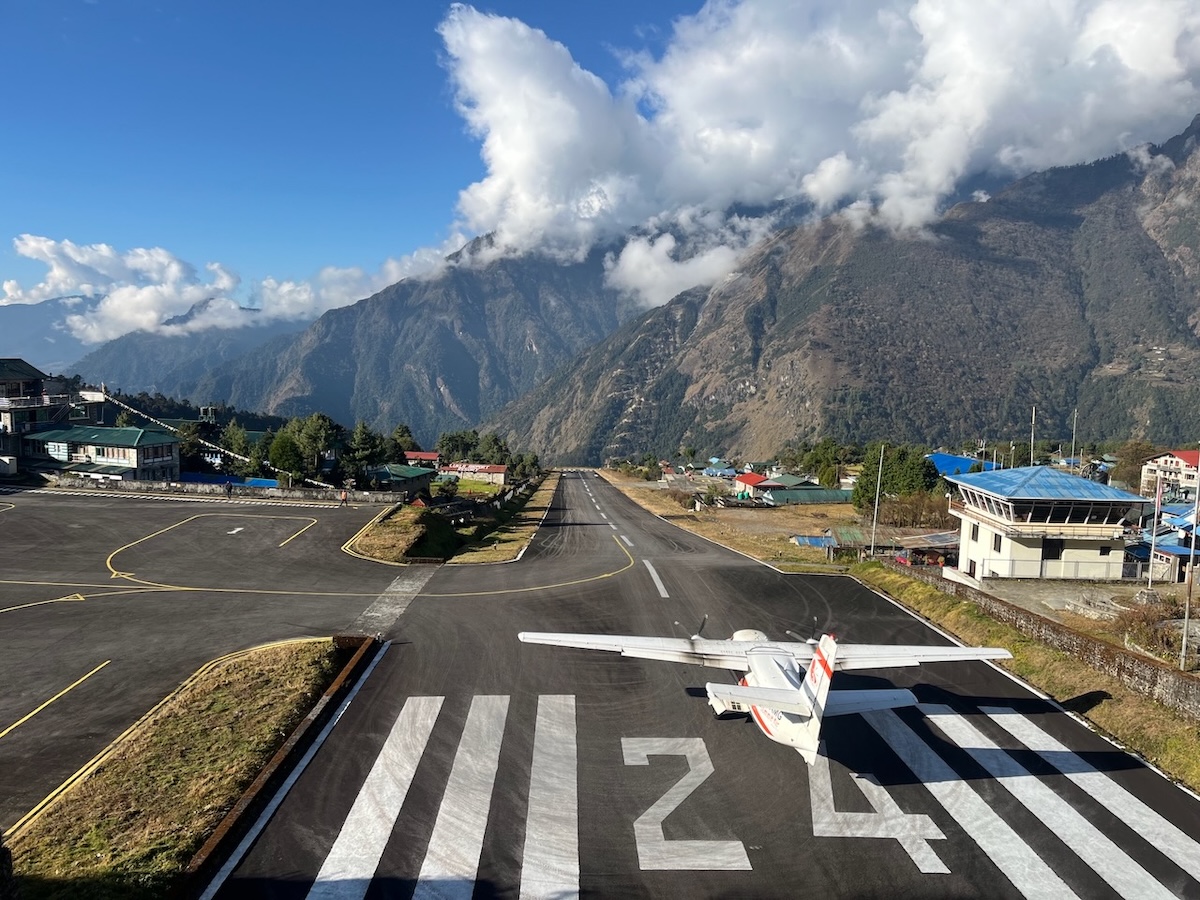
Early in the morning, you take a short but thrilling flight from Ramechhap or Manthali to Lukla, arriving at 2,840 meters (9,318 feet). The flight offers spectacular views of the Himalayan peaks, including glimpses of Everest in the distance on clear days. Upon landing, your trek begins immediately, descending slightly along the Dudh Koshi River valley to reach Phakding at 2,610 meters (8,563 feet). The trek is relatively gentle on this first day, allowing your body to adjust to higher elevations while passing through pine forests, small suspension bridges, and local villages. Phakding offers a restful stop with lodges and teahouses where you can enjoy warm meals and prepare for the more strenuous trekking days ahead.
Day 4 : Trek from Phakding to Namche Bazaar (3,440 m / 11,285 ft) – 7-8 hrs
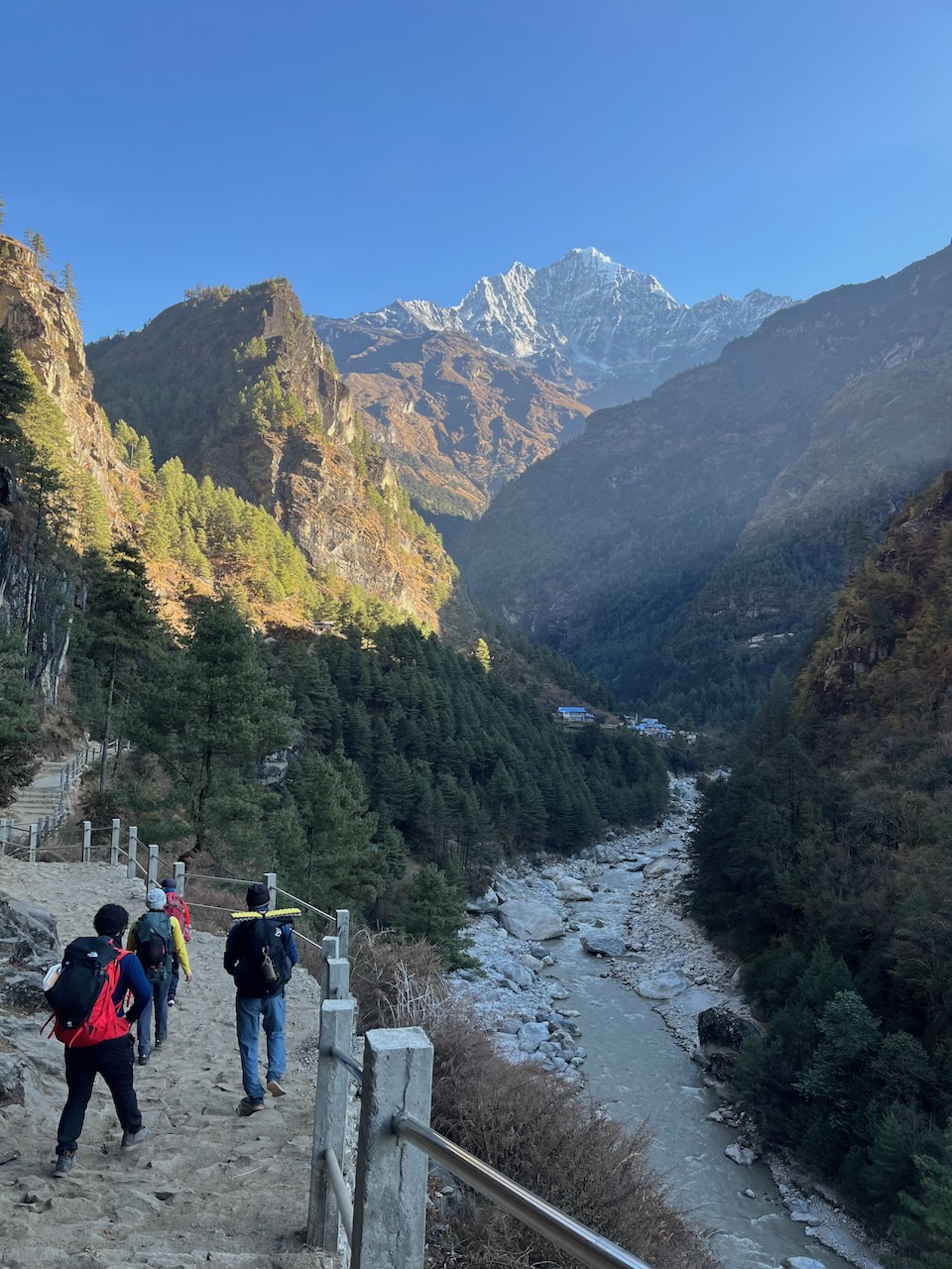
Today’s trek is more demanding as you enter the Sagarmatha National Park and ascend toward the bustling Sherpa town of Namche Bazaar. You’ll cross several suspension bridges, including the famous Hillary Bridge, and gradually climb through pine forests with glimpses of Everest if the weather is clear. Upon arrival, Namche welcomes you with its vibrant atmosphere and stunning amphitheater of snow-capped peaks. Overnight at a tea house.
Day 5 : Namche Bazaar – Acclimatization Day (3,440 m)
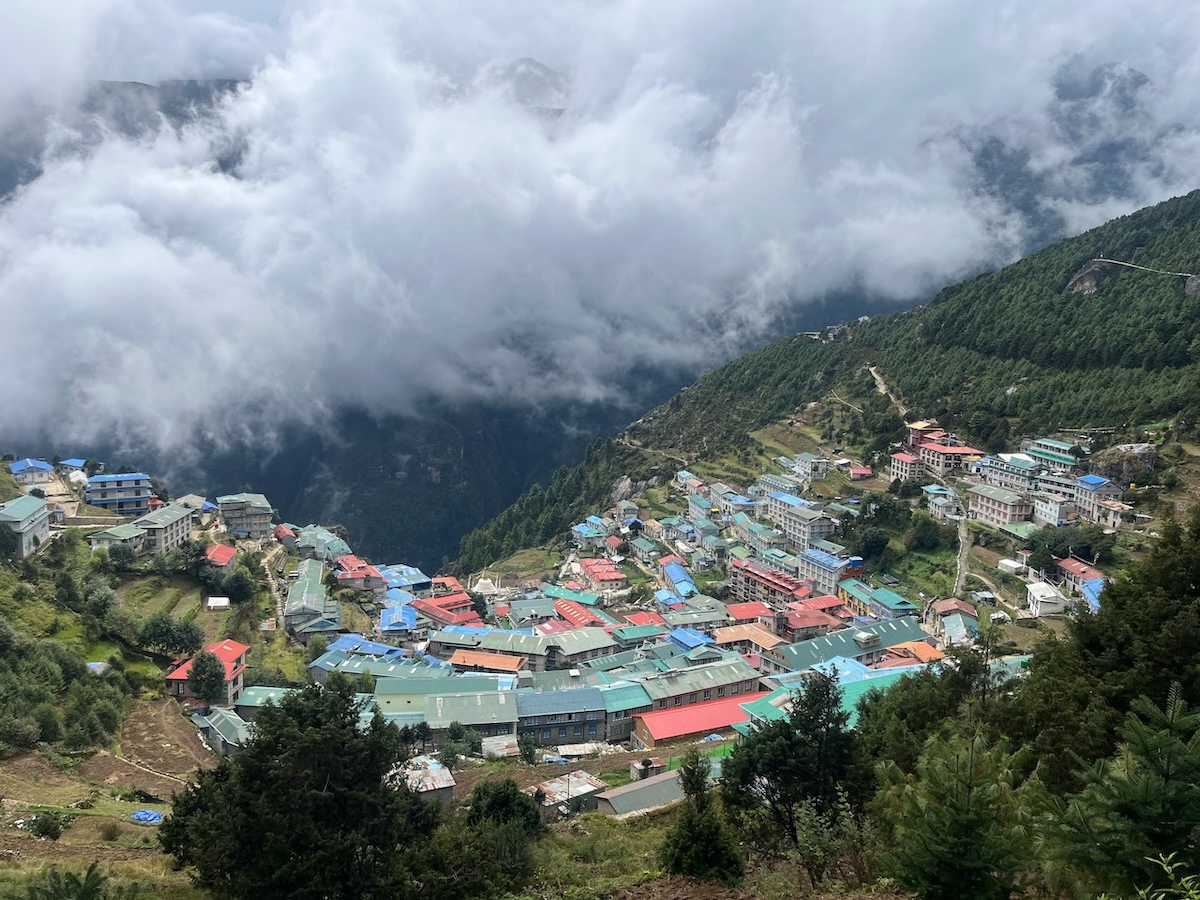
This is a vital acclimatization day to help your body adapt to the increasing altitude. You’ll take a scenic hike to the Everest View Hotel, one of the world’s highest-altitude hotels, where you can enjoy panoramic views of Everest, Lhotse, Ama Dablam, and more. Later, visit the Sherpa Culture Museum and Mountaineering Museum to understand local traditions and mountaineering history. Return to Namche for overnight stay.
Day 6 : Trek from Namche to Khumjung (3,790 m) – 2-3 hrs
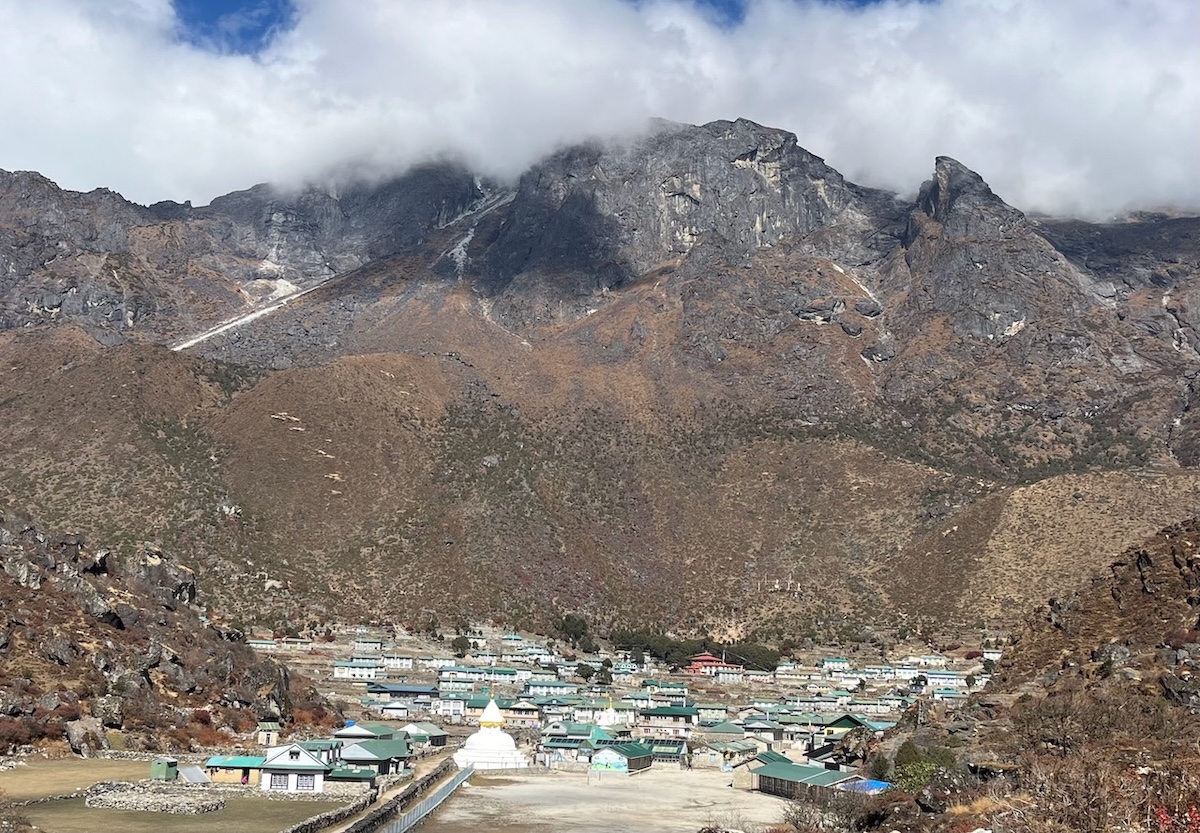
A short but enriching day as you ascend gently to Khumjung, one of the largest Sherpa villages in the region. You’ll pass by Syangboche airstrip and have more breathtaking views of the surrounding Himalayan peaks. In Khumjung, you can visit the Hillary School and a monastery believed to house a Yeti scalp. The peaceful setting of the village offers a unique cultural experience. Overnight in a tea house.
Day 7 : Trek from Khumjung to Pangboche (3,980 m) – 6-7 hrs
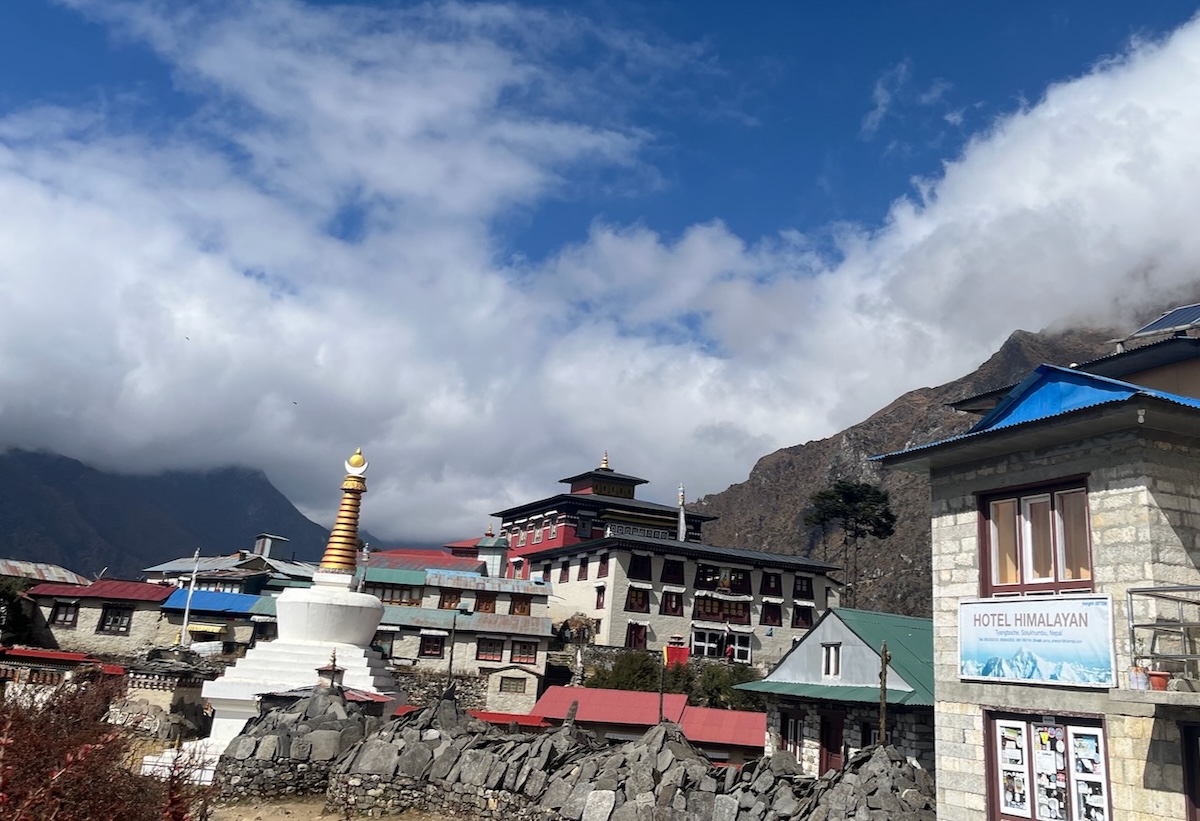
Today’s trek takes you along a beautiful trail lined with rhododendron and juniper forests. You’ll descend to the Dudh Koshi River before climbing up to Tengboche, home to the region’s most important monastery. After a short break and exploration at Tengboche Monastery, continue the trail to Pangboche, the highest permanent settlement in the valley. Overnight in Pangboche.
Day 8 : Trek from Pangboche to Dingboche (4,360 m) – 3-4 hrs
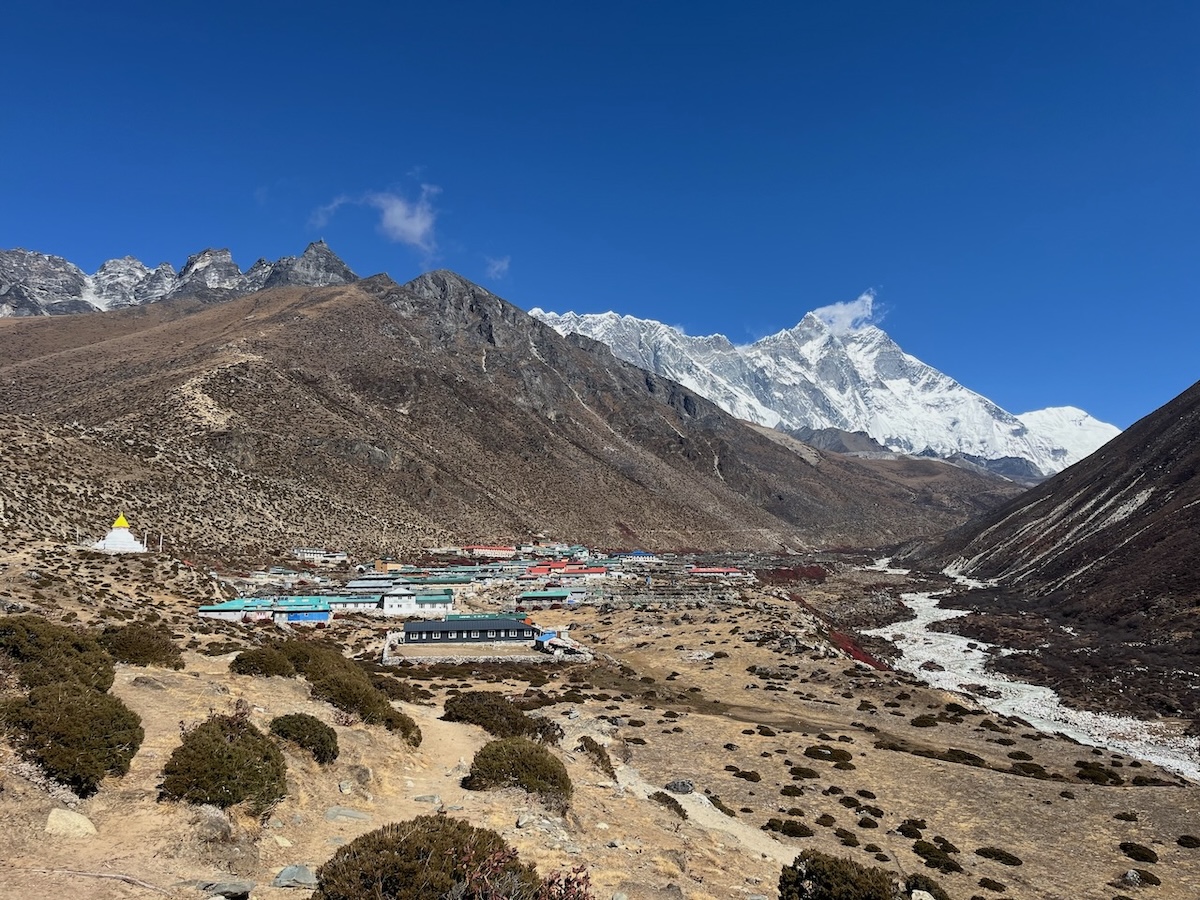
A shorter trekking day allows for gradual acclimatization. The trail ascends gradually along the Imja River with beautiful views of Ama Dablam and other nearby peaks. Upon reaching Dingboche, a wide valley with stone-walled fields, you’ll have time to rest and prepare for the next day's acclimatization hike. Overnight in Dingboche.
Day 9 : Acclimatization Day in Dingboche – Hike to Nagarjun Ri (5,100 m) – 4-5 hrs
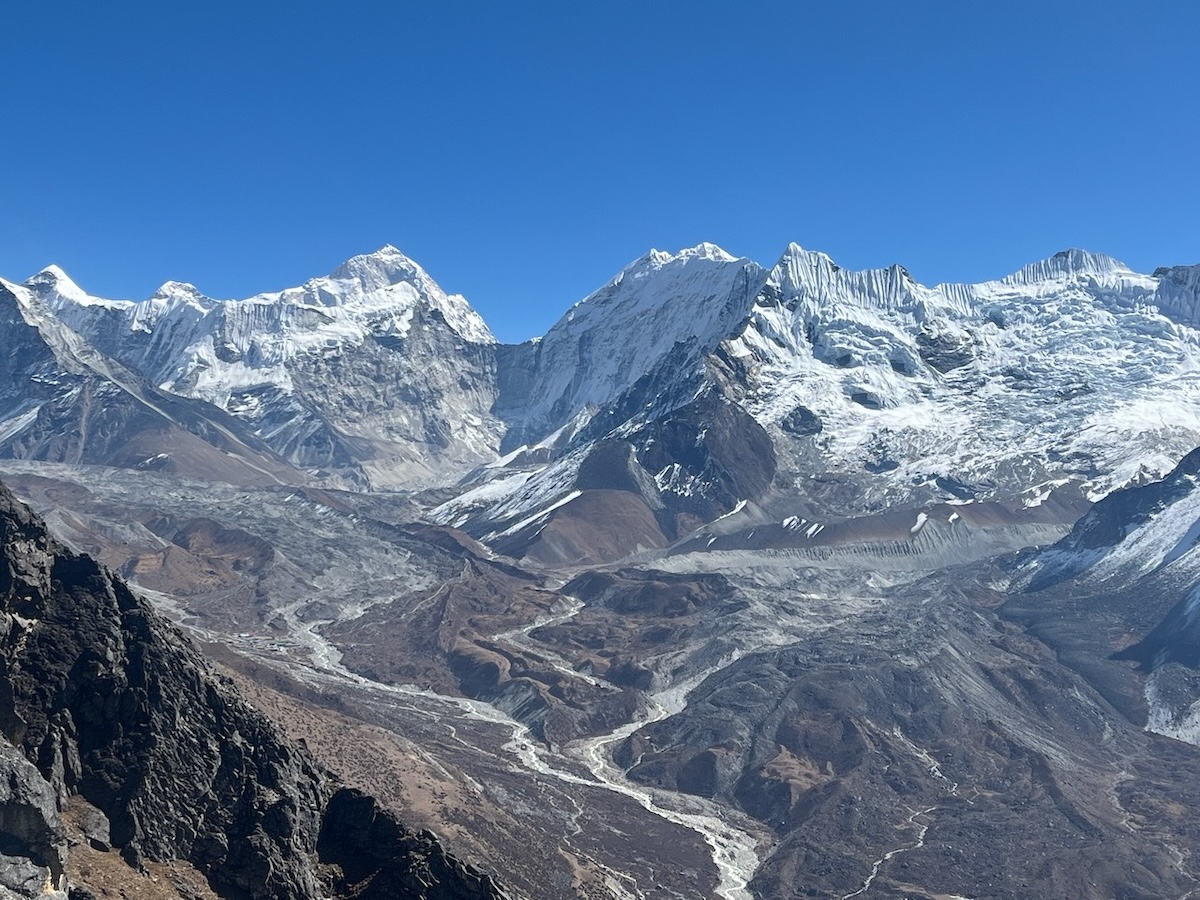
To further acclimatize, you’ll hike up to Nagarjun Ri, a viewpoint above Dingboche that offers fantastic views of Makalu, Lhotse, Ama Dablam, and Island Peak. The steep climb is challenging but extremely rewarding, offering a dramatic panoramic view of the surrounding mountains. After the hike, return to Dingboche for a restful night.
Day 10 : Trek from Dingboche to Lobuche (4,940 m) – 4-5 hrs,
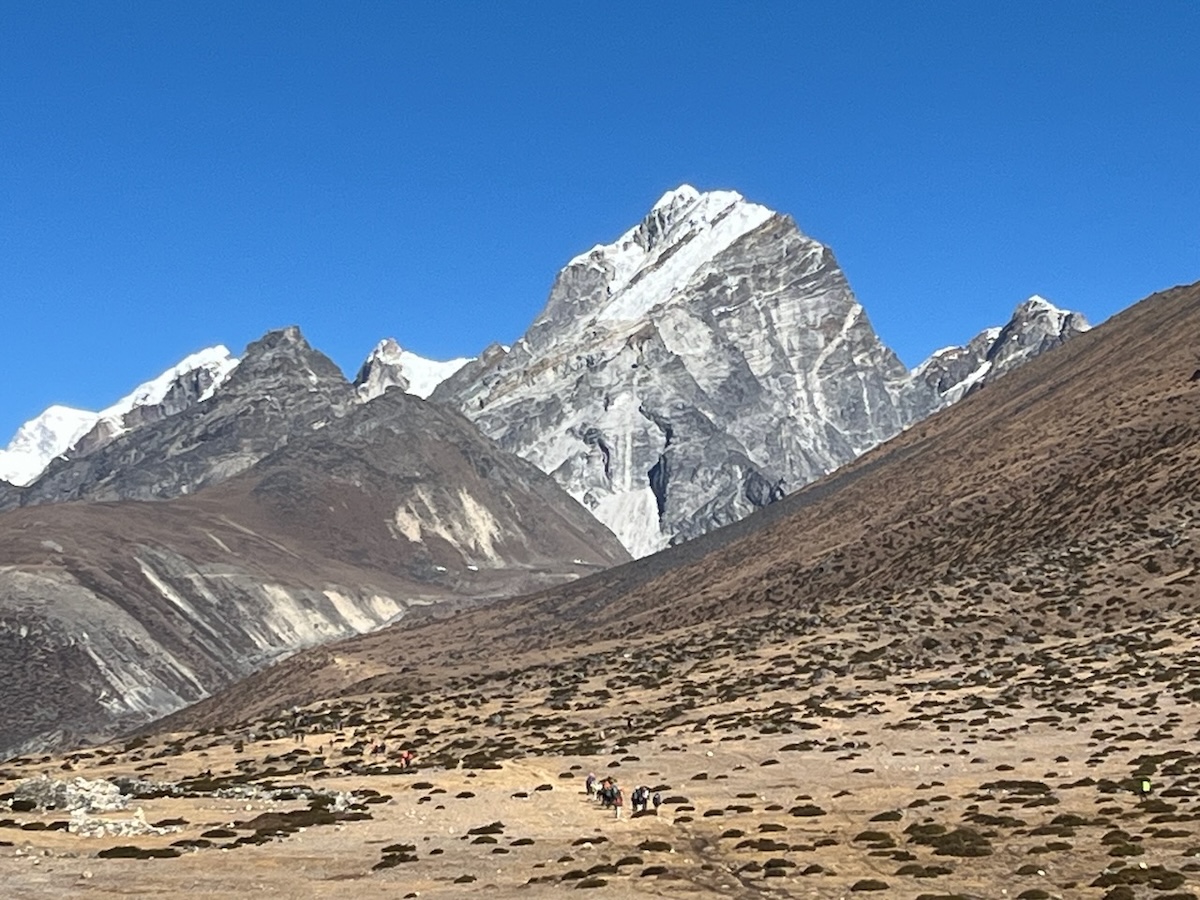
Today’s trail leads to Lobuche, where you’ll encounter memorials dedicated to climbers who lost their lives on Everest. After lunch and some rest, you'll hike up toward Lobuche. The hike provides views of looming glaciers and sharp rock ridges.
Day 11 : Trek from Lobuche to Lobuche High Camp (5,400 m) – 3-4 hrs
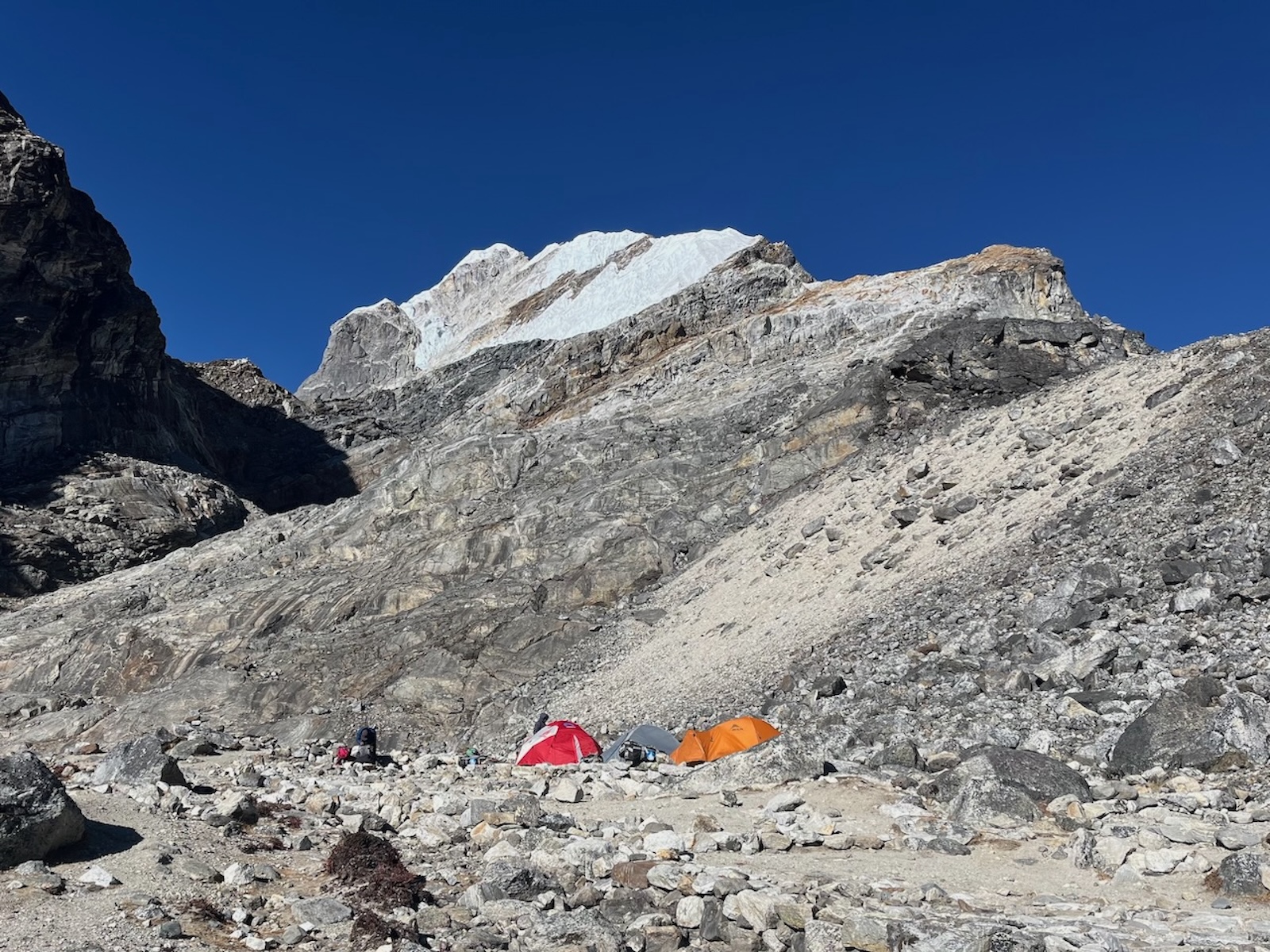
From Lobuche, you’ll begin your ascent toward Lobuche High Camp. The trail becomes steeper and more rugged, requiring careful steps on loose rocks and possible snow. Upon arrival, you’ll settle into the tented camp and prepare for the summit push. The climbing guide will go over essential rope techniques and safety instructions. Early dinner and rest as the summit push begins before dawn.
Day 12 : Summit Lobuche Peak (6,119 m) – 8-9 hrs Climb, Descend to Pheriche
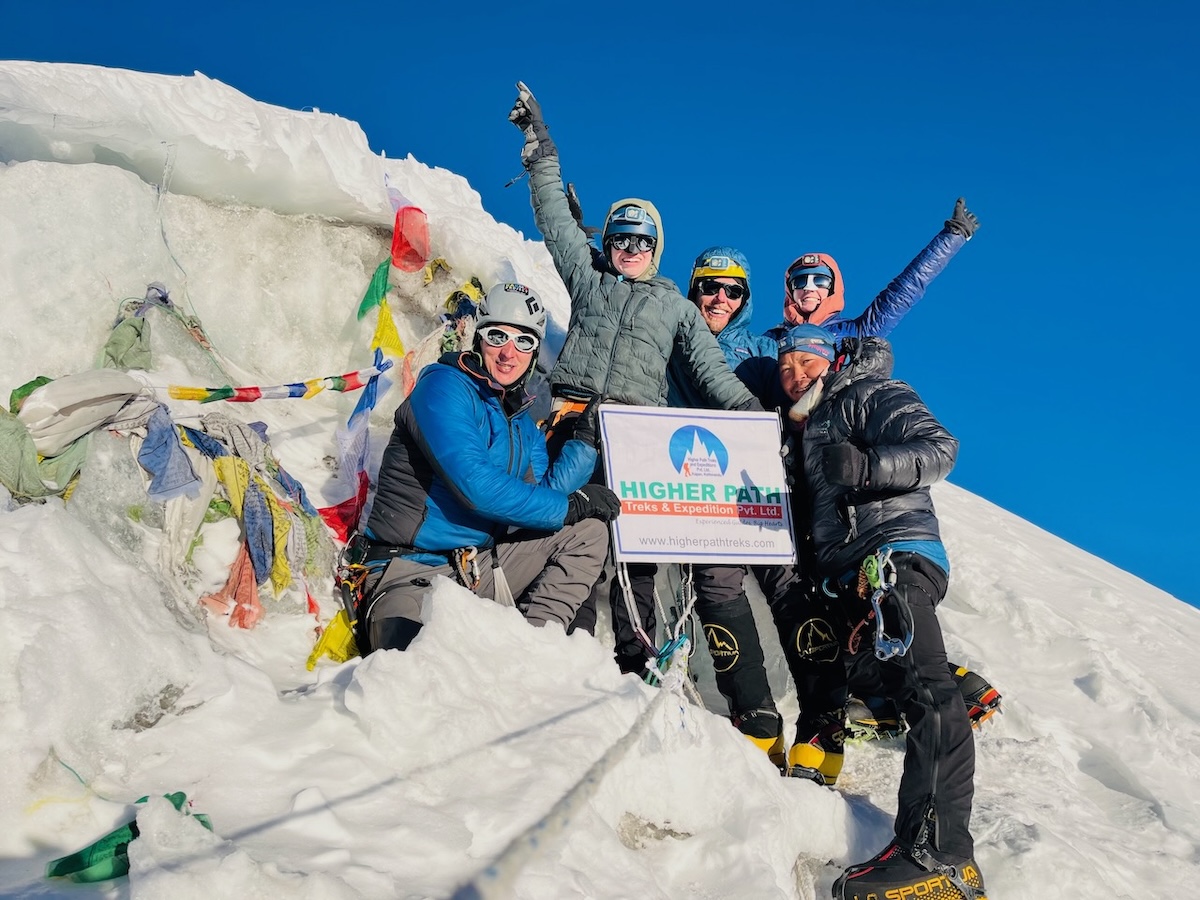
Summit day begins early around 2–3 a.m. with a challenging climb over snow and ice slopes using fixed ropes, crampons, and an ice axe. The final ridge to the summit of Lobuche East is exhilarating, with jaw-dropping views of Everest, Lhotse, Nuptse, Ama Dablam, Pumori, and many other peaks. After taking in the summit view and photos, descend carefully back to High Camp, then continue descending to Pheriche for a well-earned rest. Overnight at a tea house.
Day 13 : Trek from Pheriche to Namche – 6-7 hrs
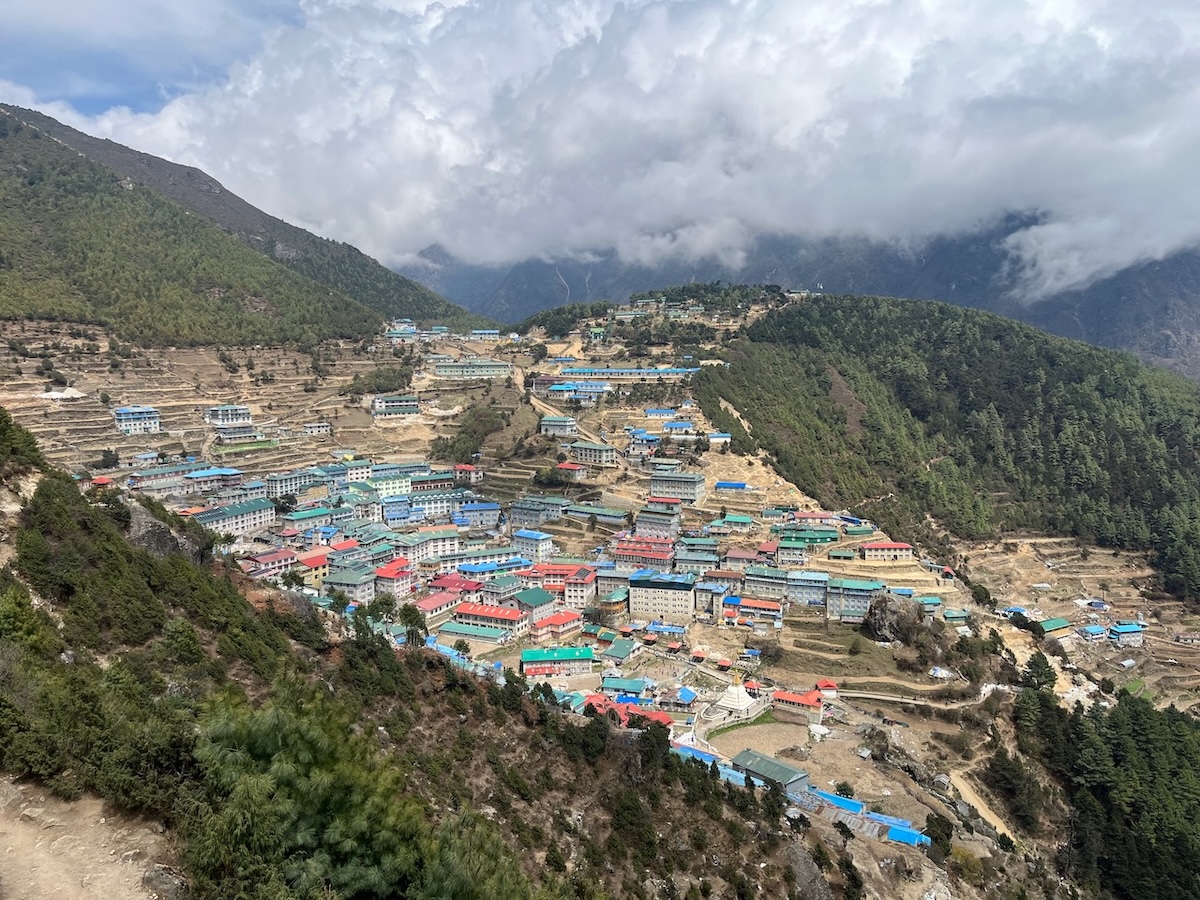
Retrace your steps through the Khumbu Valley, passing by the sacred Tengboche Monastery once again. The descent is steady and scenic with great views and rich forest trails. Upon reaching Namche Bazaar, you’ll explore Namche and enjoy your last glimpses of Everest and its neighboring peaks. Overnight at a local tea house.
Day 14 : Trek from Namche to Lukla – 6-7 hrs
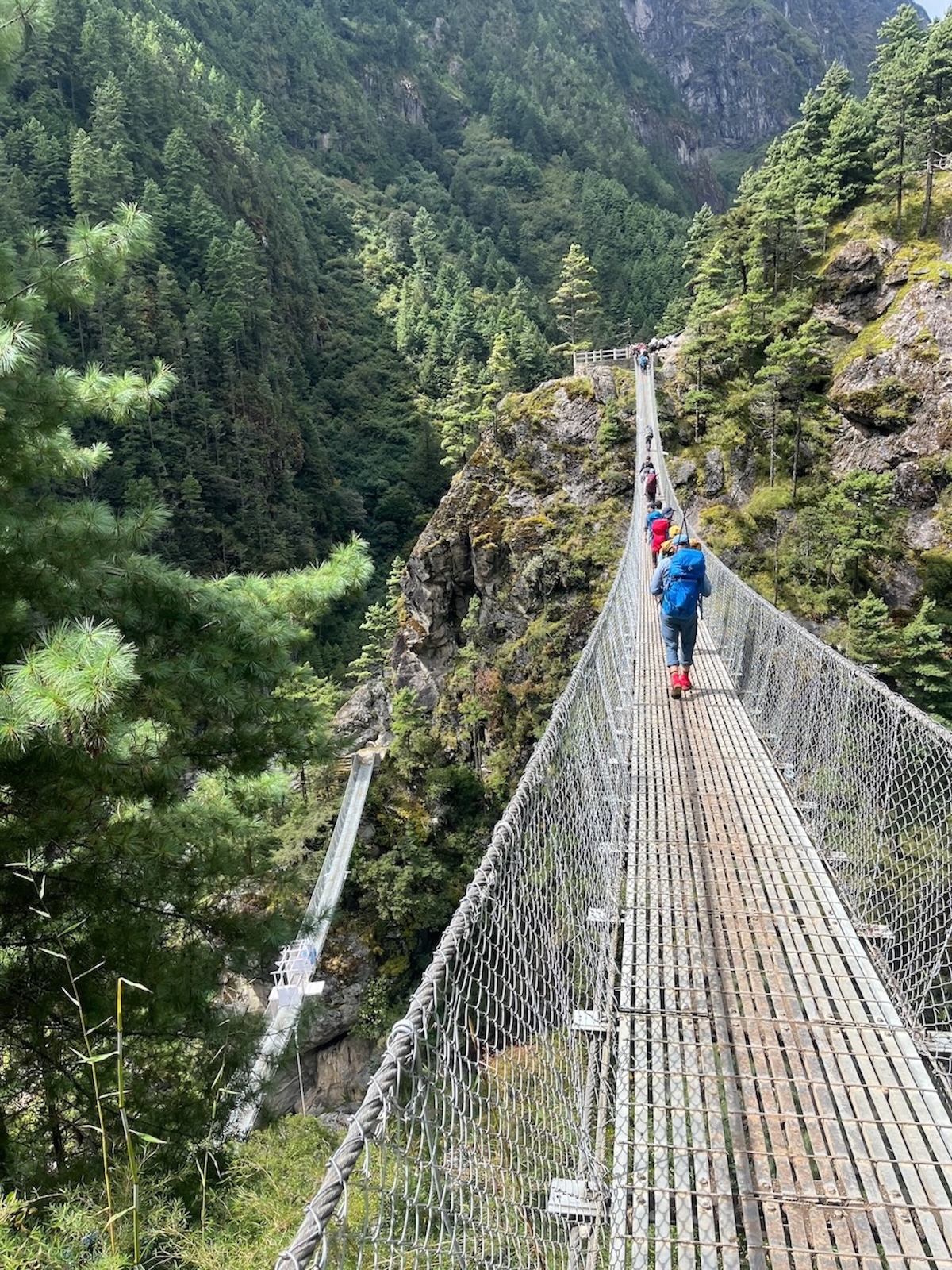
You’ll descend back from Namche and retrace the route along the Dudh Koshi River. The trail offers one last opportunity to enjoy the lush Himalayan forest and vibrant village life. The walk is long but mostly downhill. Celebrate your achievement with your team and crew. It’s a time for gratitude, reflection, and celebration. Overnight in Lukla with a warm farewell dinner.
Day 15 : Flight from Lukla to Manthali, Drive to Kathmandu – 5-6 hrs
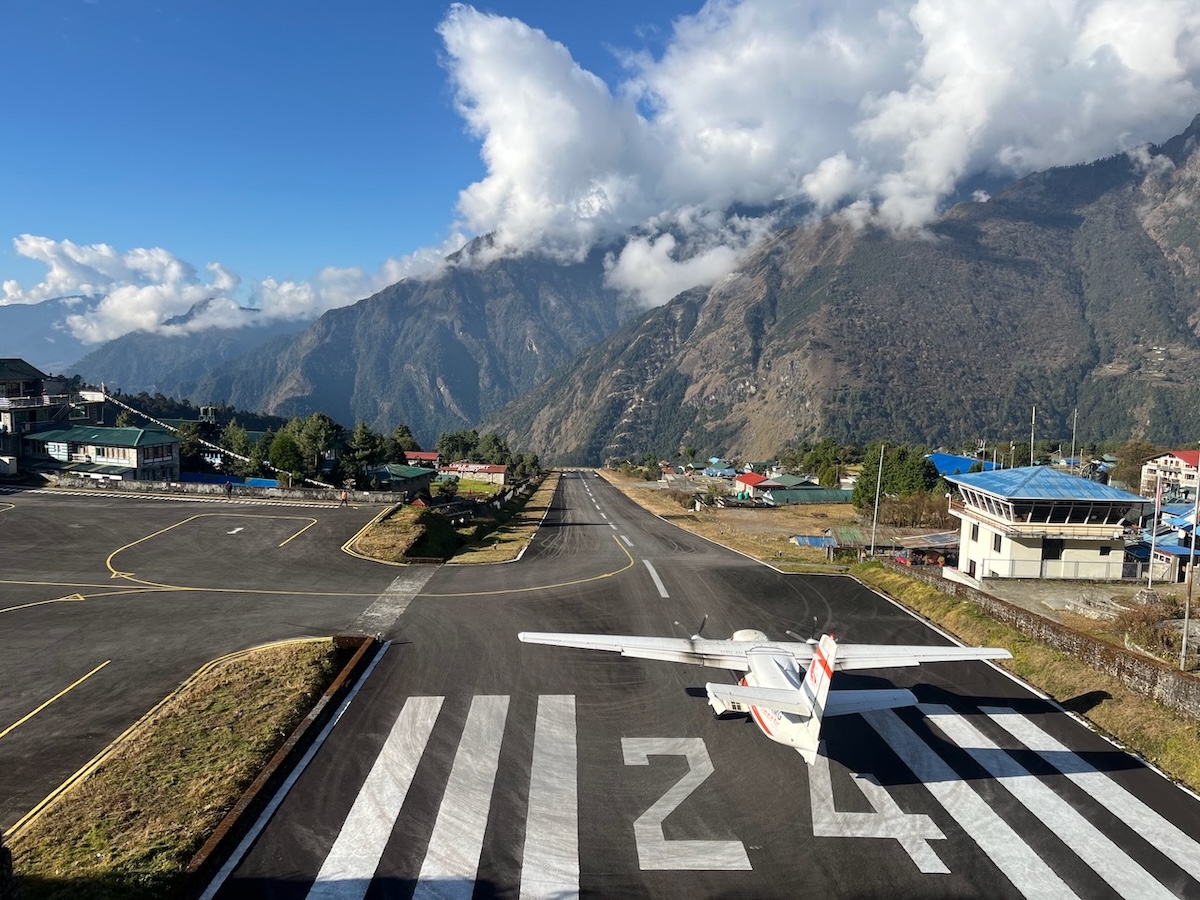
Take a morning flight from Lukla to Manthali, then drive back to Kathmandu. Upon arrival, you’ll be transferred to your hotel. The rest of the day is free for relaxation or souvenir shopping in Thamel. Overnight at a hotel.
Day 16 : Free Day in Kathmandu
This is a buffer day in case of any delays due to weather. If everything goes as planned, you can use this day to explore Kathmandu Valley. Visit cultural sites like Swayambhunath (Monkey Temple), Boudhanath Stupa, or Patan Durbar Square. In the evening, enjoy a farewell dinner hosted by Higher Path Treks & Expeditions. Overnight in Kathmandu.
Day 17 : Final Departure
Our Team will transfer you to the Airport for your international departure.
Inclusions
What is included?
- Airport transfers (pick-up & drop-off)
- 4 star hotel with 2 breakfast and 2 nights in Kathmandu
- Domestic flights: Manthali–Lukla–Manthali
- Tea house accommodation and all meals during trek
- All ground transportation as per itinerary
- Experienced English-speaking guide, Sherpa climber and porter service (1 porter per 2 clients)
- Staff costs, permits, government taxes, and paperwork
- Base camp logistics services
What isn't included?
- Personal trekking gear (e.g., sleeping bag, poles)
- Personal expenses (drinks, alcohol, tips)
- Hot showers, charging, internet fees on trek
- Meals in Kathmandu except included breakfasts
- Any extra or additional costs not listed above
- International flights to/from Kathmandu.
- Nepal entry visa fee.
- Tips for Guide, Sherpa climber and porter staffs.
- Mandatory travel insurance.